KISAMA — More than 80% of waste collected—both
dry and wet waste—from the Hornbill Festival venue on a daily basis is recycled
and sent for composting, according to those running waste management at Kisama.
This year's waste management is a collaborative effort of
three teams: Human Matrix Securite, Green Guard, and Züb Züb India.
In an interview with Eastern Mirror on Wednesday, the
founder of Green Guard, Khriemelie Metha, shared that the whole concept of
waste segregation and management was brought about by Chief Minister Neiphiu
Rio, who had raised concerns about the need to keep Kisama clean.
They have placed several bins for both wet and dry waste at
Kisama. The dry waste is normally recycled by giving it to scrap dealers, while
the wet waste, organic waste, is sent to a compost site, which will further be
converted into fertiliser.
According to Metha, the biggest challenge when it comes to
waste management is segregation. Towards this, he said, volunteers are on the
ground to do the work.
The project has a team of about 70 to 74 people and
individuals involved from management to volunteers, as well as experts. Social
workers specialising in creating awareness and teaching people how segregation
in school is done are also involved. He added the volunteers are walking around
the entire venue, making sure all the bins are segregated.
After that, the designated vehicles will pick up the trash
bags and bring them to the segregation unit and recovery facility.
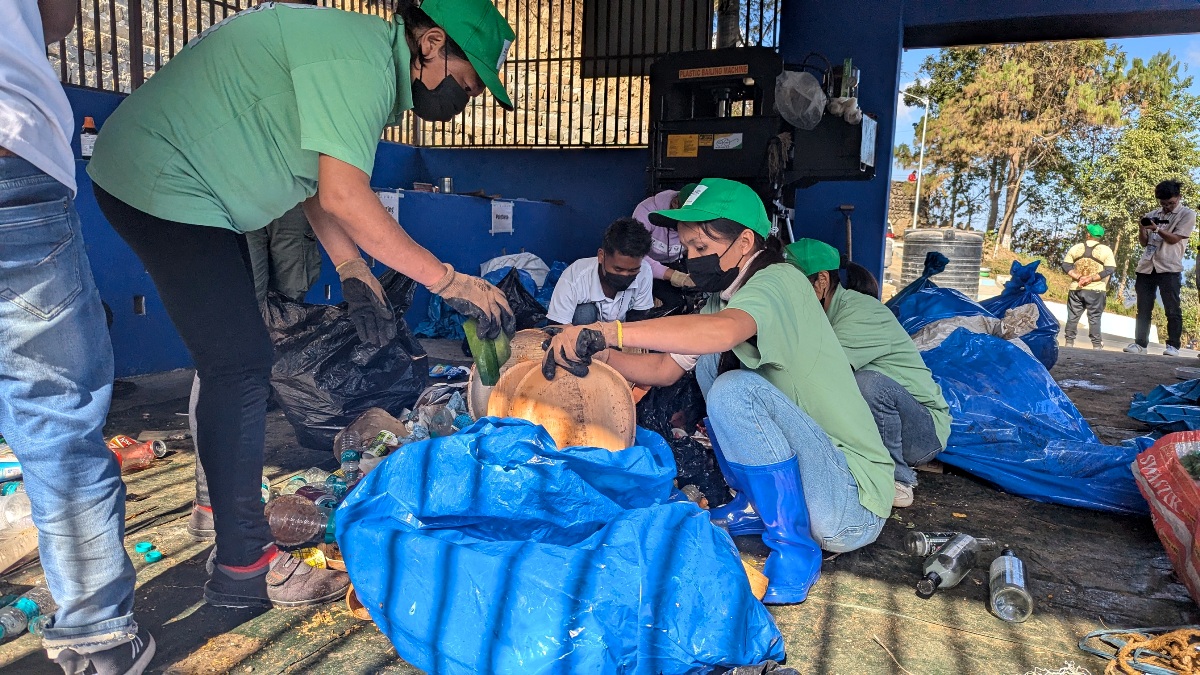
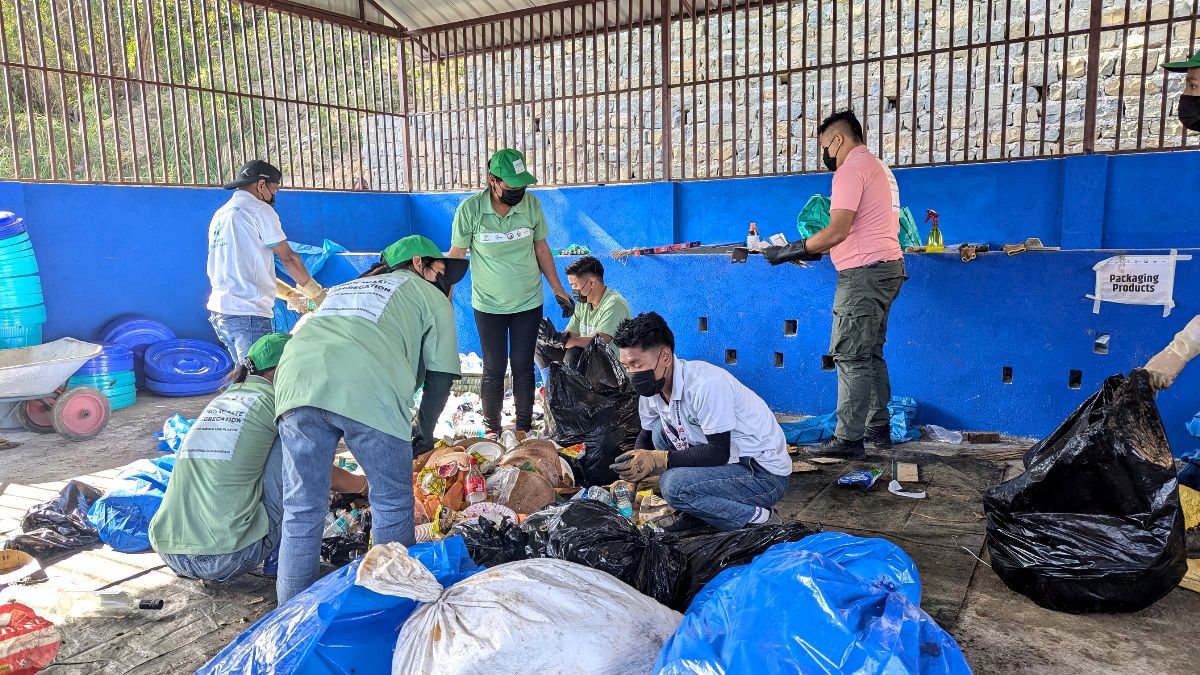
Around 15 members, mostly mothers, are working tirelessly at
the facility centre, making sure that the dry waste is further segregated into
plastic, bottles, glass bottles, cans, metals, cardboards, and anything that
can be recycled out of it. The segregated waste is left for vendors to pick up
in the wee hours and sell at a profit for themselves.
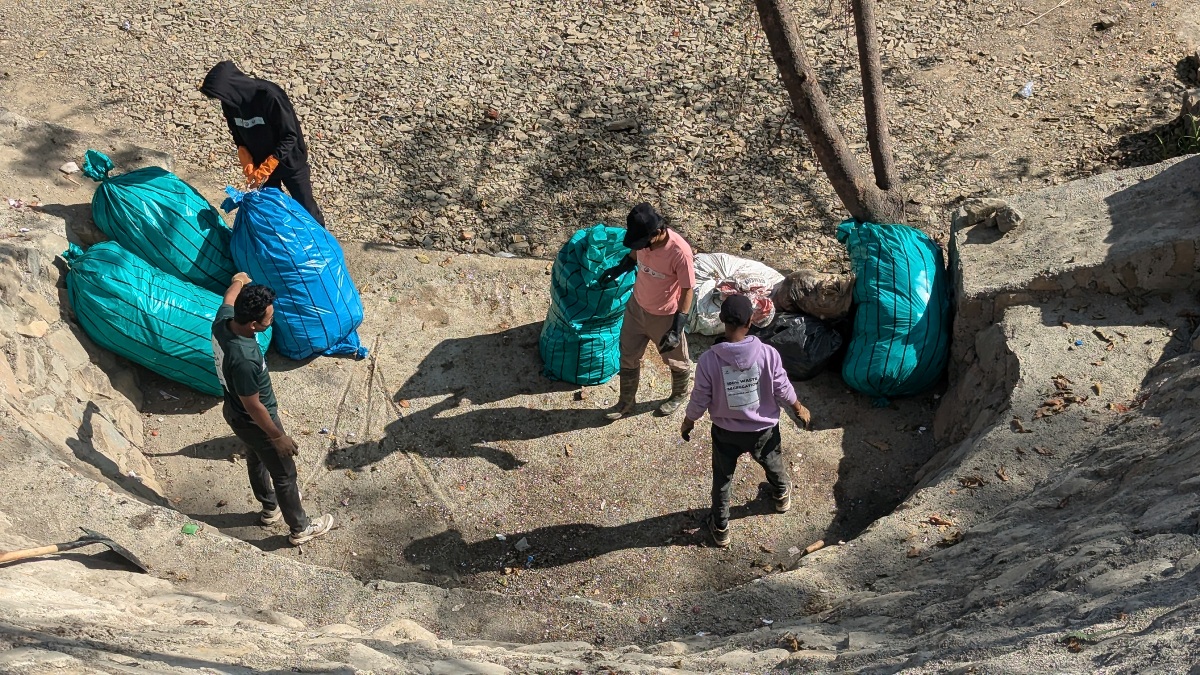
A shaft near the unit has been prepared for waste to be
thrown at the dumping site. Accordingly, the KMC sends a vehicle to pick it up
and take it to the dumping site.
On the third day alone, they could collect about 1600 kg of
trash, out of which about 300 kg could be sent to the dumping site.
Speaking about safety measures of the workers, he said that
it is important, especially when dealing with hazardous waste. He assured that
personal protective equipment is being provided to the workers and volunteers.
Meals and stipend allowances are also given to them.
He acknowledged the Chief Minister and other departments
involved for their support towards the initiative.
He noted that vendors are beginning to help them by
segregating their waste, which is making their job much easier. This is because
waste management is difficult because of segregation at source.
“The problem that's happening is that 10 people are putting
in the effort for a thousand. But what makes it very easy is actually all
10,000 putting in a small amount of effort, which will make the job so much
easier,” he said.
Mohit Mohanwani, Chief Operating Officer of Human Matrix
Securite, said they are at the Hornbill Festival in an attempt to make it
completely SUP-free.
He said they are looking forward to other firms replicating
their initiative across Nagaland. “Waste segregation is the major and most
important part of solid waste management, and a bit of awareness and request
have helped local citizens start doing the segregation.
“We can see that morungs are supporting us and segregating
dry and wet waste, which is helping us a lot in this initiative,” he said.
Their main role is to guide how things are to be taken up,
he said, adding that “bringing out the behavioural change among the visitors
and the participants is important.”
Mohanwani requested the citizens of Nagaland to support the
cause to preserve the environment and the natural resources by keeping them
clean.
Every day, Maruti Gypsy vehicles loaded with waste make
roughly 20 trips between Kisama and the facility centre.