NEW DELHI — India is set to become the ‘GCC Capital of the World’ with 1,700
global capability centres (GCCs) employing over two million people — a number
projected to grow significantly by 2030, the government said on Thursday.
The GCCs are leading the adoption of emerging technologies
such as artificial intelligence, data analytics, robotic process automation,
digital commerce, cybersecurity, blockchain, augmented reality, and virtual
reality.
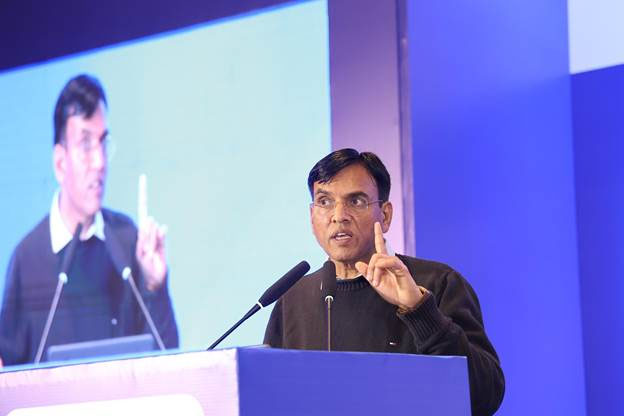
According to Union Minister of Labour and Employment Dr
Mansukh Mandaviya, to synergise education and employment, skill development
must be at the core of our efforts.
"By fostering innovation, enhancing productivity, and
preparing individuals for the workforce, we are creating jobs and building a
global talent hub," said the minister, highlighting India’s potential to
address global workforce shortages through initiatives like the ‘Mutual
Recognition of Skills and Standards’.
"By fostering strong industry-academia linkages, we can
create a skilling model tailored to India’s unique needs. Skilling should go
beyond certificates and focus on equipping individuals with practical expertise
to meet the dynamic demands of the industry and self-employment sectors,"
he said at an event by the Ministry of Labour and Employment in collaboration
with the Confederation of Indian Industry (CII) in the national capital.
According to Sumita Dawra, Secretary, Ministry of Labour and
Employment, to thrive in a rapidly evolving landscape, three key questions have
emerged.
"How do we develop a digitally proficient workforce
equipped to navigate an increasingly tech-driven job market? What strategies
can we employ to build a truly inclusive workforce, where diversity is valued,
and everyone is given equal opportunities? Additionally, as industries
prioritise environmental sustainability, how can we integrate eco-friendly
practices and values into our workforce culture?" she mentioned.
A skilled and adaptable workforce is crucial for attracting
investments in key sectors such as healthcare, manufacturing, logistics, and
green jobs.
"Strengthening labour-intensive industries ensures
equitable opportunities for diverse demographics, including those with limited
access to advanced education," she emphasised.