


Hekani Jakhalu urges Garos to protect ancestral land, prioritise education and preserve cultural identity amid indigenous community concerns
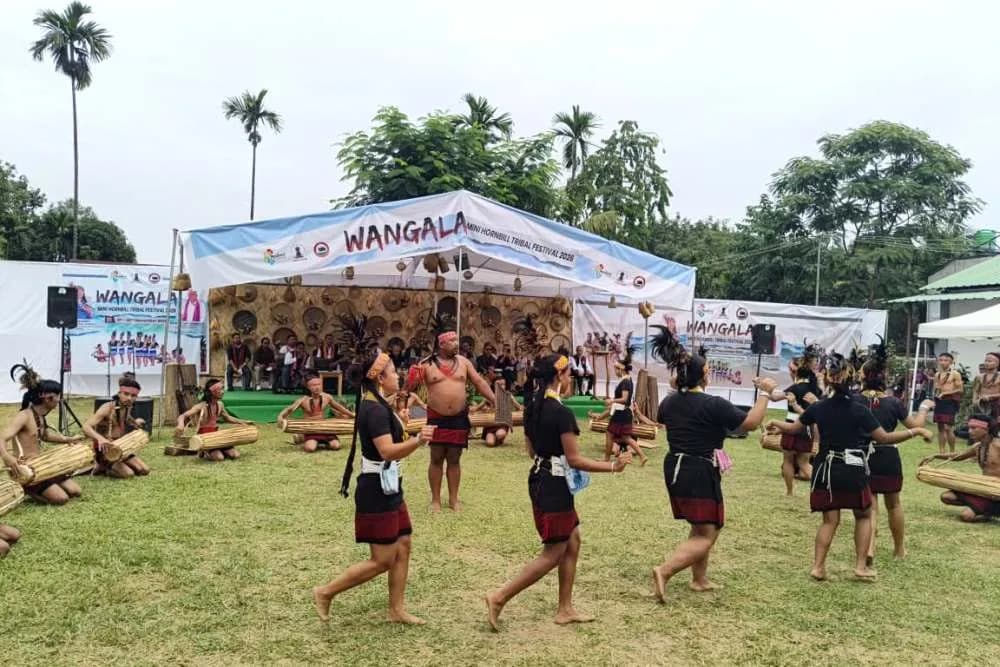
DIMAPUR — Advisor for Industries and Commerce, Hekani Jakhalu, on Saturday urged the Garo community in Nagaland to safeguard their ancestral land, cautioning against selling it off as land was gradually disappearing through fragmented sales.
Addressing the Wangala Mini Hornbill Tribal Festival 2026 organised by Nagaland Garo Tribal Council at Dubagaon village in Dimapur, Jakhalu said the community would realise the importance of protecting its land in the years ahead.
She assured minority indigenous communities that she was committed to standing up for their rights and interests, saying their concerns resonated with her own experiences of discrimination faced by people from the Northeast while living in Delhi. The legislator said that she did not want minority communities to feel weak or left behind.
Conveying Wangala greetings on behalf of the state government and Chief Minister Neiphiu Rio, Jakhalu said the Mini Hornbill festival initiative, introduced in 2018, was aimed at enabling recognised tribes to celebrate their festivals with government support and preserve their cultural identities.
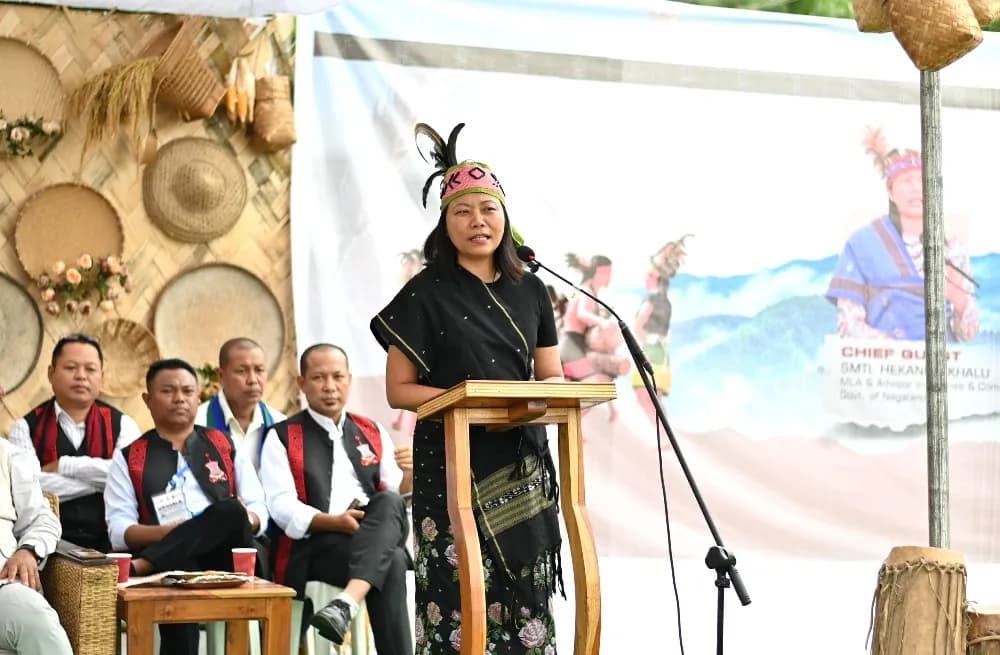
She urged the Garo community to prioritise education and cultural preservation, saying festivals should focus on children and youth rather than dignitaries and VIPs.
She suggested that the next Wangala festival include competitions for children from all five villages and programmes for women, mothers and fathers to encourage wider participation.
Describing Wangala as a harvest thanksgiving festival, Jakhalu said its significance could extend to people across professions, including business and education. She stressed that education was non-negotiable and urged parents and community organisations not to neglect children's education in the name of cultural preservation or other community concerns.
Guest of honour and chairman of the North East Indigenous People's Forum (NEIPF), Anup Chetia, called on the state government to treat the Garo and Kachari communities as brothers and recognise their indigenous identity, stressing peaceful coexistence among indigenous tribes.
Chetia urged the government and Jakhalu to address concerns over the indigenous status of Garos and Kacharis with sensitivity. He expressed dismay over ‘suggestions that Kacharis should return to Assam’, highlighting that Dimapur was once the capital of the Kachari kingdom.
He also raised concerns over the treatment of Naga communities in Assam, particularly in Dibrugarh and Tinsukia districts, pointing out that Sema Nagas, Noctes and other tribes faced complications in obtaining Scheduled Tribe status despite enjoying the status in Nagaland.
Warning against attempts by external forces to divide indigenous communities, Chetia called for differences to be settled through mutual understanding. He advocated Nagamese as a common language to strengthen communication and unity among communities in the Northeast.
He also expressed concern over declining interest among younger generations in cultural traditions and called for cultural preservation alongside education and economic development. Chetia further advocated greater economic self-reliance, urging communities to revive farming and reduce dependence on markets outside the region.