


The HbA1c Test measures glycated haemoglobin, which forms when glucose in the bloodstream attaches to haemoglobin, a protein found in red blood cells.
Share


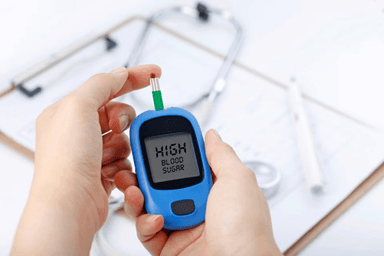
Many people are surprised to learn they have prediabetes because it often develops without obvious symptoms. Prediabetes occurs when blood sugar levels are higher than the normal range but not high enough to be classified as diabetes.
Since changes in blood sugar can happen gradually, regular screening can help identify potential concerns early. One of the most commonly used tests for diagnosing prediabetes is the HbA1c Test. The test gives an overview of average blood glucose levels over the previous two to three months, making it a useful tool for assessing long-term blood sugar patterns.
The HbA1c Test measures glycated haemoglobin, which forms when glucose in the bloodstream attaches to haemoglobin, a protein found in red blood cells. Since red blood cells live for around 120 days, the amount of glucose attached to haemoglobin reflects average blood sugar levels over that period.
Unlike a single blood sugar reading, the HbA1c Test provides a broader picture of glucose levels over time. Healthcare professionals commonly use this test to screen for prediabetes and diabetes and to monitor blood sugar management.
An HbA1c Test may be recommended for people who have factors associated with a higher risk of prediabetes or diabetes. Some commonly recognised risk factors include:
Being overweight or obese
Having a family history of type 2 diabetes
Living a physically inactive lifestyle
Being aged 35 years or older
Having high blood pressure
Having a history of gestational diabetes
Having certain metabolic health conditions
Screening recommendations vary from person to person. Whether an HbA1c Test is appropriate should always be discussed with a healthcare professional.
Prediabetes often causes no noticeable symptoms, which is one reason it can go undetected. However, some people may experience changes that can be associated with elevated blood sugar levels, including:
Increased thirst
Frequent urination
Feeling tired more often than usual
Blurred vision
Increased hunger
Slow healing of minor cuts or wounds
These symptoms are not unique to prediabetes and can occur for various reasons. If symptoms persist or cause concern, consult a qualified healthcare professional for evaluation.**
**Note: This information is for general awareness only and should not be considered medical advice.
The results of an HbA1c Test are reported as a percentage. The following table shows what certain percentages mean:
HbA1c Result | Meaning |
Below 5.7% | Typical range |
5.7% to 6.4% | Prediabetes range |
6.5% or higher | May indicate diabetes* |
*Note: An HbA1c result alone should not be used for self-diagnosis. A qualified healthcare professional should interpret all test results. This information is provided for general awareness only.
Prediabetes does not mean a person will definitely develop diabetes. However, it may indicate a higher future risk and should be evaluated by a healthcare professional.
Since healthcare decisions often rely on laboratory findings, it is important that HbA1c testing be performed by quality-focused diagnostic laboratories, such as Lupin Diagnostics, that adhere to established testing standards and reporting protocols.
What Happens After An HbA1c Test?
The next steps after an HbA1c Test depend on the result and an individual's overall health profile. A healthcare professional may review the findings alongside medical history, symptoms, and other relevant health information before deciding whether additional evaluation is needed.
It is important to remember that a single test result does not provide the complete picture. Healthcare professionals consider multiple factors when assessing an individual's health status. Regular health check-ups and discussions with qualified professionals can help individuals stay informed about their health and any recommended follow-up testing.
One of the key benefits of identifying prediabetes early is that it allows individuals and healthcare professionals to monitor health more closely over time. The HbA1c Test is particularly useful because it reflects longer-term blood sugar trends rather than a single day's reading.
Early identification may also encourage greater awareness of overall health and the importance of regular medical follow-up. Any decisions regarding further testing or management should always be made with a qualified healthcare professional.
Prediabetes can develop gradually and often without noticeable symptoms, and hence, awareness and timely screening are important. The HbA1c Test provides valuable information about average blood sugar levels over the previous few months and can help identify early changes that may otherwise go unnoticed. If you have been advised to undergo diabetes screening, you can choose a trusted diagnostic provider, such as Lupin Diagnostics, that offers quality-assured testing services and reliable health information to support informed healthcare decisions.