


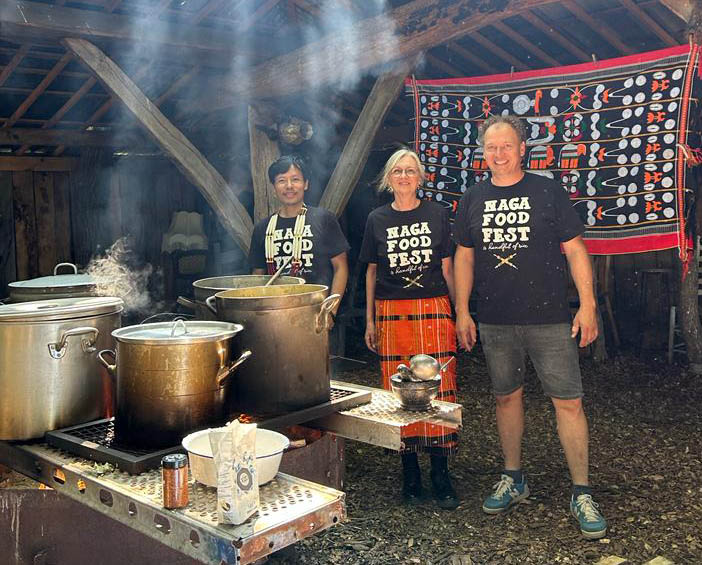
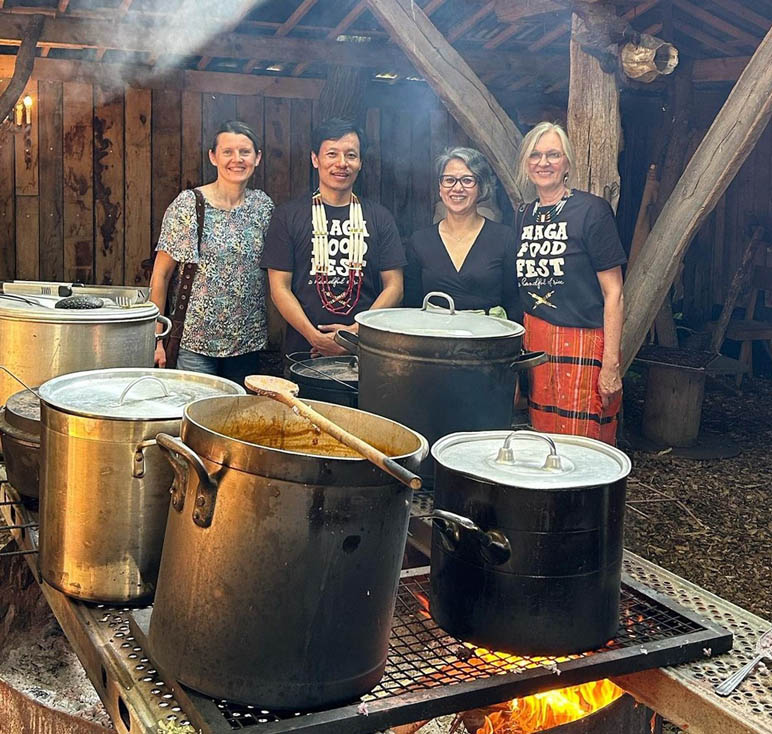
DIMAPUR— Traditional Naga gastronomy became the talk of the town, after social entrepreneur, food evangelist and storyteller Athan Zimik organised, perhaps, the first-ever Naga Food Festival in Schoonebeek, Netherlands, last weekend.
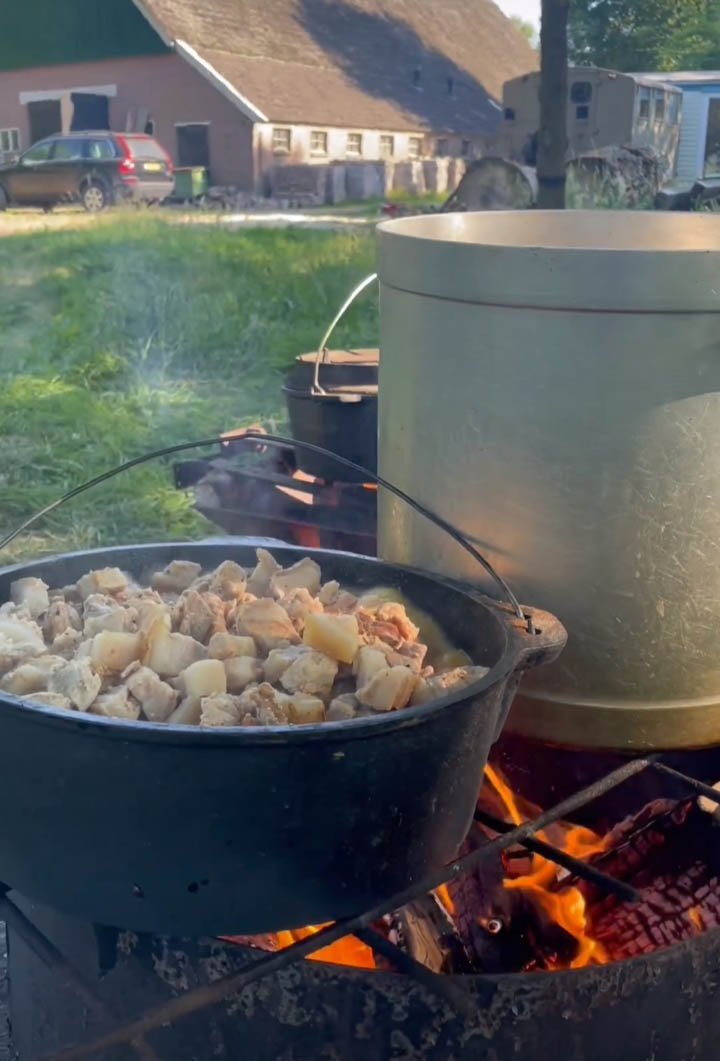
Food items, including fermented bamboo shoot sourced from Nagaland were used in preparing Naga cuisine at the festival.
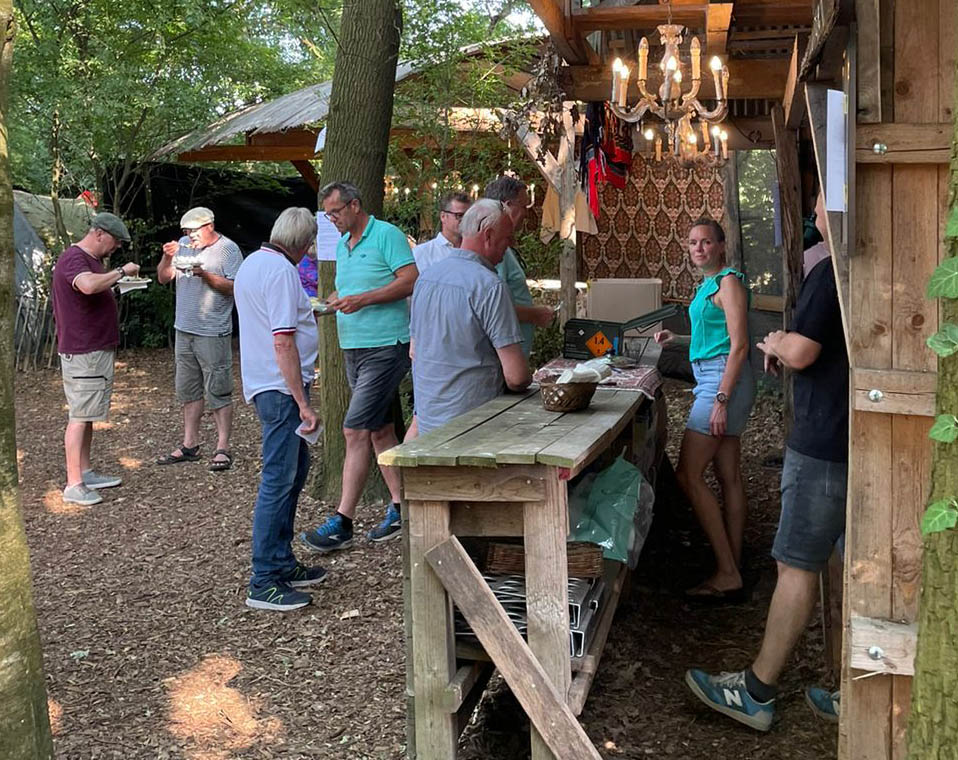
Sharing about the festival, Zimik told Eastern Mirror on telephone that it received overwhelming response with “people driving from Belgium, Germany and Amsterdam” for a Naga cuisine getaway.
He said that Naga pork cooked with Sirarakhong chilli from Manipur turned out to be people’s favourite dish from among the cuisine spread.
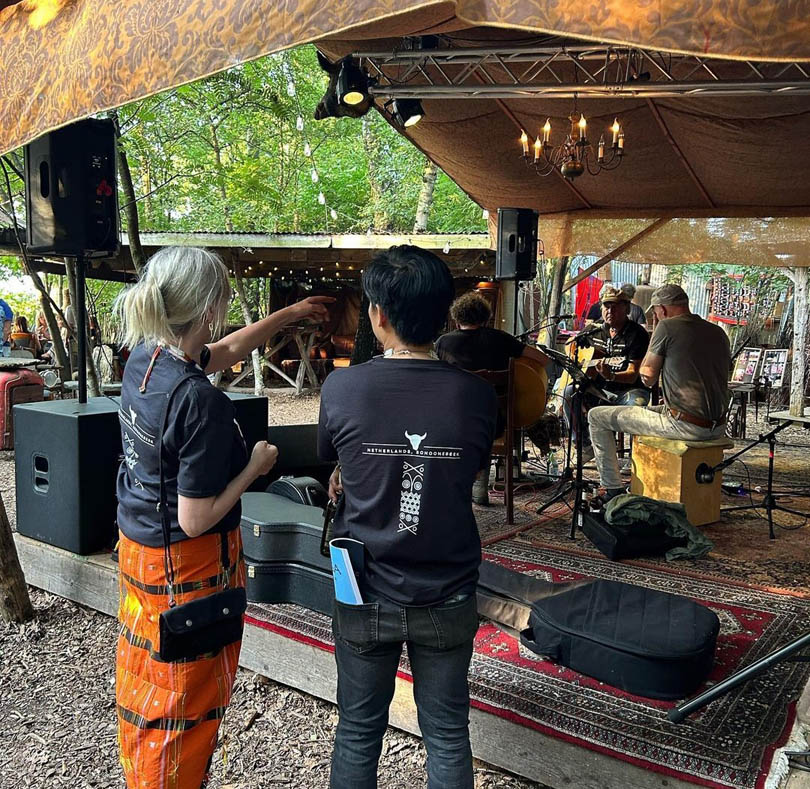
The event was more than just food; it was also about showcasing rich Naga cultural heritage and conversation on sustainable food, Naga people’s relationship with food, agricultural practices, and of course an ode to Naga food and homeland, he said.
Sharing how the Naga Food Festival took its shape far away from home, the social entrepreneur said it was conceptualised during New Year 2023 when he was in Netherlands to attend the ‘Food in the wood’ event.
‘Schoonebeek is a community-oriented town with a younger population who promote community-oriented living. During a conversation with the community over Naga food, ingredients, sustainable farming and cooking practices, the local host suggested organising a Naga food festival,’ he said.
With the help the local Dutch of Schoonebeek, he sourced locally reared pigs, chicken, fish, black rice and bamboo shoot from Nagaland, while white rice had to be sourced from Vietnam due to transportation issue.
Dutch couples Manna Slot and Andre Pat were the host, Jan and Elle provided the venue, while Jutta Behnke, a German who works with The Handful of Rice project and is based in Hamburg, was involved with Zimik for the festival, it was informed.
Another Naga food blogger, Lidang Konyak, was supposed to join Zimik for the festival but could not make it due to visa issue.
Encouraged by the positive feedback during this year’s festival, which was limited to only 300 people, the food evangelist said plans on to cater to 1000 people next year.
Sharing about his journey, Zimik said his love for the culinary arts started when he was just a young boy, growing up watching his grandma cook.
"My sweetest memories are coming to good food at grandma's. But one in particular was an incident where I was made to make fire at the age of four by grandma and in celebration, my father and I prepared a chicken for dinner," he recalled.
He said that Nagas should celebrate their own cuisine first before letting others to validate it.
We have, for the longest time, ignored our own food and identity, especially the youngsters while not realising how royal our food is, he said, adding that he ‘indisputably wants to reclaim indigenous cuisine as food can tell a lot more about the people, their beliefs, heritage and identity’.
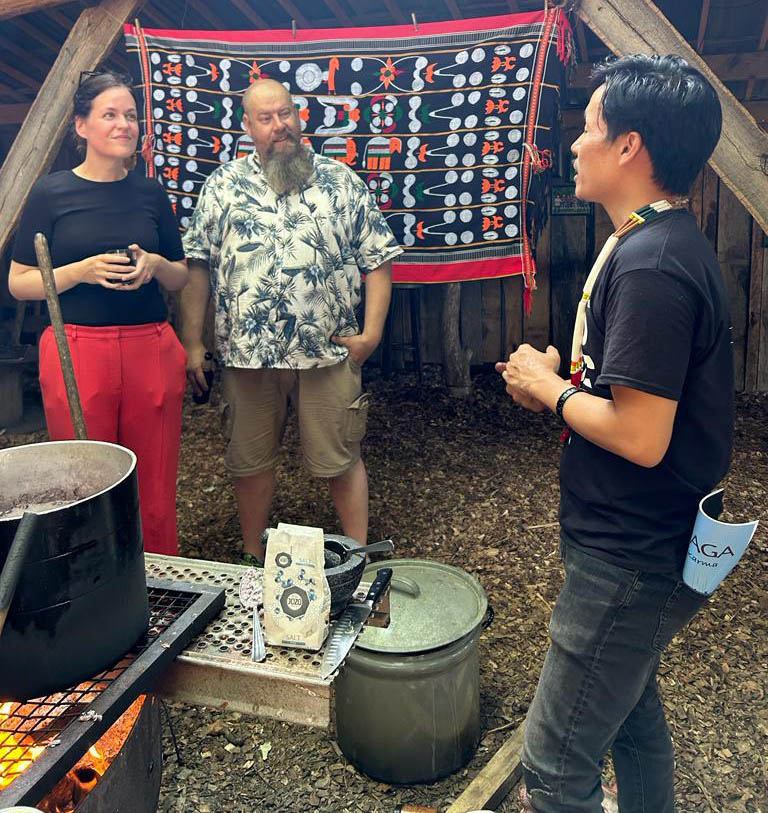
Zimik also opined that the mid-day meal menu (in India) can be changed in order to benefit the local farmers.
“A lot is spent on mid-day meal, which is also not a balanced diet. We can curate the menu, encourage the villages to supply rice and farm grown food. This way, it will benefit the farmers and the economy,” he said.