


Dr. Metevinu Kechu discusses career opportunities in zoology, fisheries, aquaculture and freshwater conservation.
Kekhriesevoii Kesiezie & Neisakuonuo Kesiezie
DIMAPUR — With a background in fishery science and a keen interest in aquatic resource management, Dr. Metevinu Kechu has focused much of her academic and professional work on freshwater fish conservation, cold-water fish breeding, and fisheries development in Nagaland.
Having completed her BSc in Fishery Science from North Eastern Hill University in 2012 and MSc in Aquaculture and Fish Processing from Mahatma Gandhi University in 2015, Kechu went on to earn her PhD in Zoology from Nagaland University in 2025.
Her doctoral research focused on the ichthyofaunal diversity of the Dikhu River in Nagaland, with special reference to the conservation and developmental biology of Neolissochilus hexagonolepis, commonly known as chocolate mahseer. Her research involved hatchery-based breeding, reproductive biology, larval development, water-quality monitoring, and freshwater fish sampling and identification.
Kechu also served as State Program Manager at the Department of Fisheries and Aquatic Resources, from August 2021 to September 2024. During this period, she coordinated state-level programme activities supporting fisheries and aquatic-resource development, working with government teams and field-level stakeholders.
Her research contributions include six scientific publications covering the fish resources of Nagaland, traditional fishing methods practised by the Ao and Sumi tribes along the Dikhu River, and the conservation of threatened cold-water fishes in Northeast India. She has also delivered seven oral presentations at scientific conferences, including three international and four national presentations.
In 2021, she received the Best Oral Presentation Award in the Young Scientist Category at the International Conference on Environment, Agriculture, Human and Animal Health.
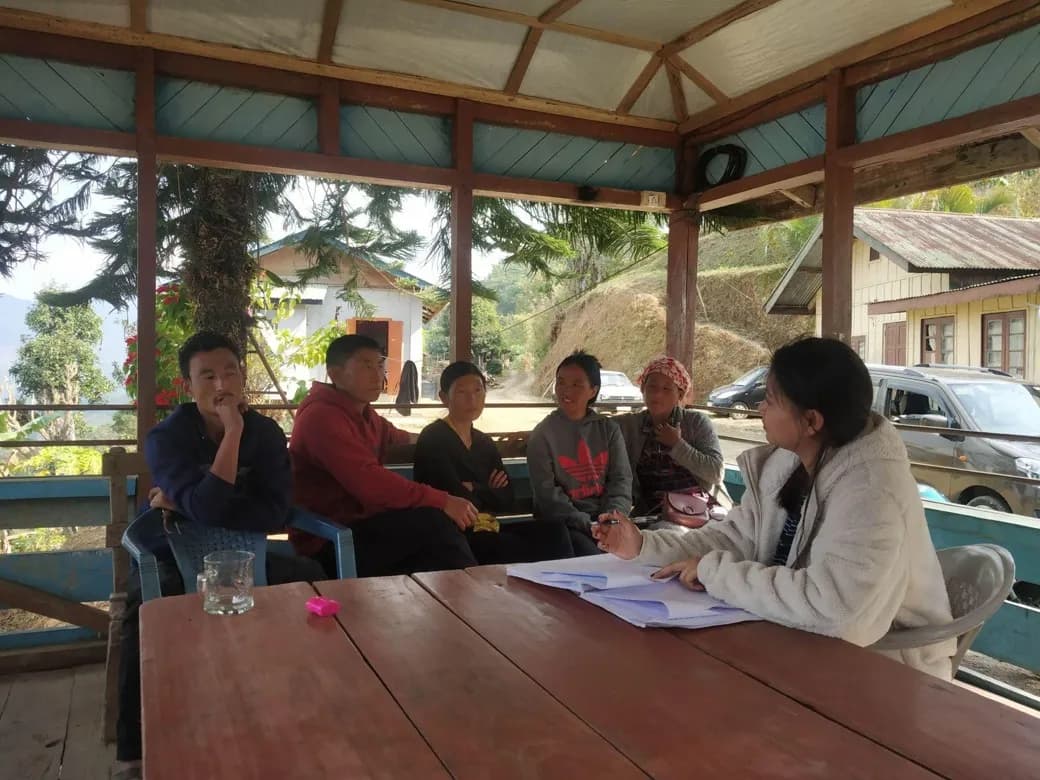
In this interview with Eastern Mirror, Kechu reflects on her academic journey and discusses career opportunities in zoology, fisheries and aquaculture.
How would you describe your academic journey and professional growth? Was pursuing a PhD in Zoology a long-held aspiration?
I would say it has been a journey of learning, patience, and discovering my purpose. My interest in zoology grew as I learned more about animals, biodiversity, and the natural world. Over time, that interest developed into a deeper commitment to understanding and conserving aquatic life, particularly the freshwater fish diversity of Nagaland.
Pursuing a PhD has not always been an easy journey. Research demands dedication, consistency, and the willingness to learn from failures. My research on the Dikhu River has helped me understand that science is not just about collecting data or publishing papers; it is also about understanding the environment we depend on and finding ways to protect it.
It is a journey in which my interest gradually became my profession and my responsibility. Earning a PhD is definitely an important milestone, but I believe the real achievement lies in how I use that knowledge to make a meaningful contribution to science, conservation and the local communities.
Tell us about your PhD research and the scope of your field of study.
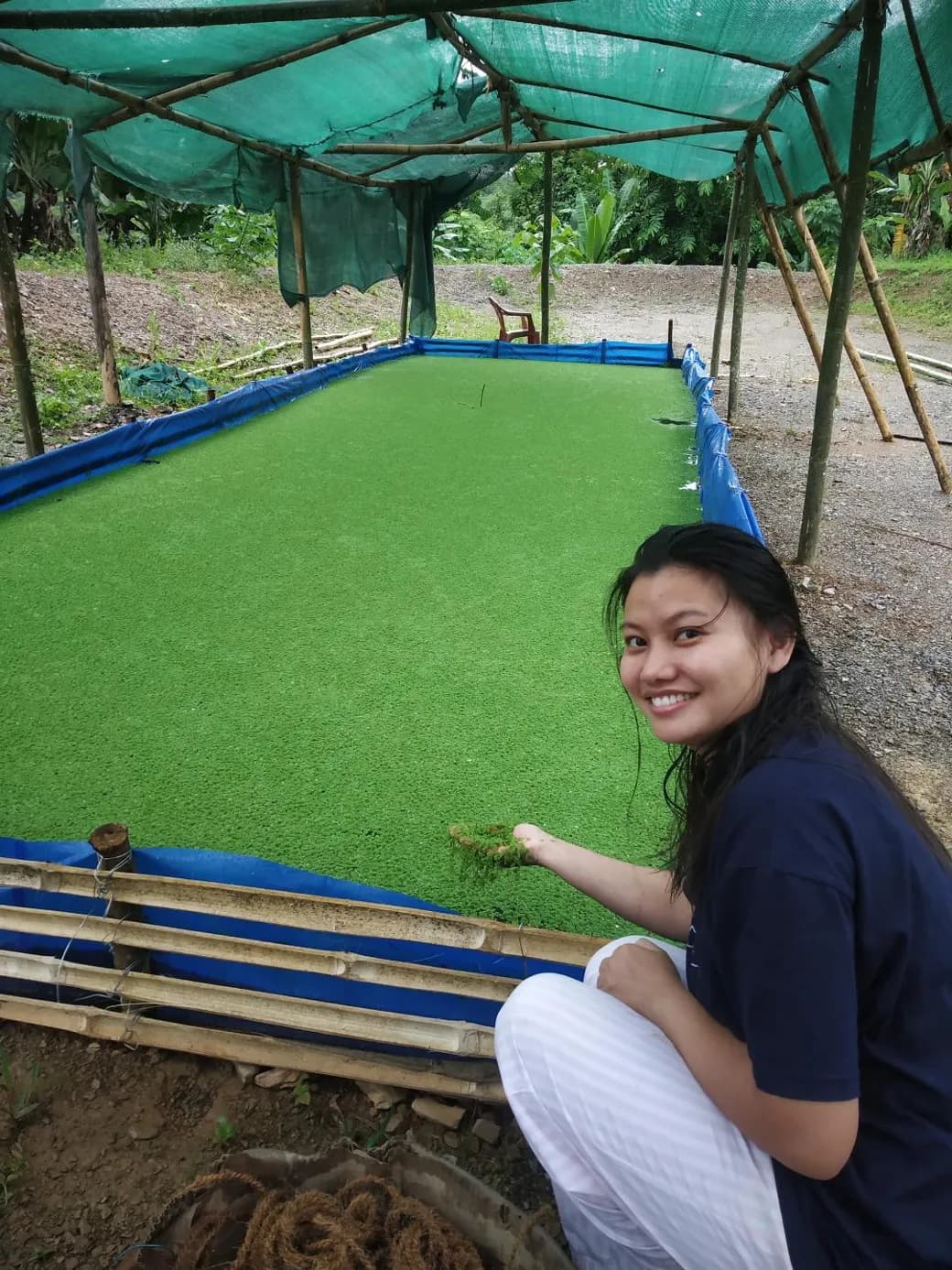
My PhD research focuses on the fish diversity of the Dikhu River in Nagaland, with special emphasis on the conservation and developmental biology of Neolissochilus hexagonolepis, a freshwater fish species. The field offers opportunities in fisheries management, aquaculture, biodiversity conservation, research, and teaching. In a region like Nagaland, it is particularly important for conserving our native fish species, supporting local livelihoods, and promoting sustainable use of freshwater resources.
Through my research, I hope to contribute to a better understanding of our river ecosystems and the conservation of freshwater biodiversity for future generations.
What is one common misconception about freshwater fisheries studies?
One common misconception is that freshwater fisheries studies are only about catching fish or increasing fish production. In reality, it is a much broader field that involves understanding fish diversity, reproduction, ecology, water quality, and the health of entire river ecosystems.
My research journey has helped me appreciate how environmental conditions and seasonal changes influence fish diversity. Such studies are important because they provide scientific information to guide conservation, protect native fish species, and promote sustainable fisheries.
What subjects could students interested in the field of freshwater fisheries focus on in school?
I would recommend focusing on Biology, as it provides a strong foundation in animal life, aquatic ecosystems, and biodiversity. Chemistry is also important for understanding water quality, while Mathematics helps develop analytical skills for research and data interpretation. Geography and Environmental Science can further help students understand ecosystems and the impact of human activities on them.
Beyond academics, I encourage students to stay curious about nature and learn through practical experiences. Sometimes, simply observing a local river and understanding the life it supports can be the beginning of a deeper interest in freshwater fisheries.
What is one habit individuals can adopt to contribute to freshwater ecosystem conservation?
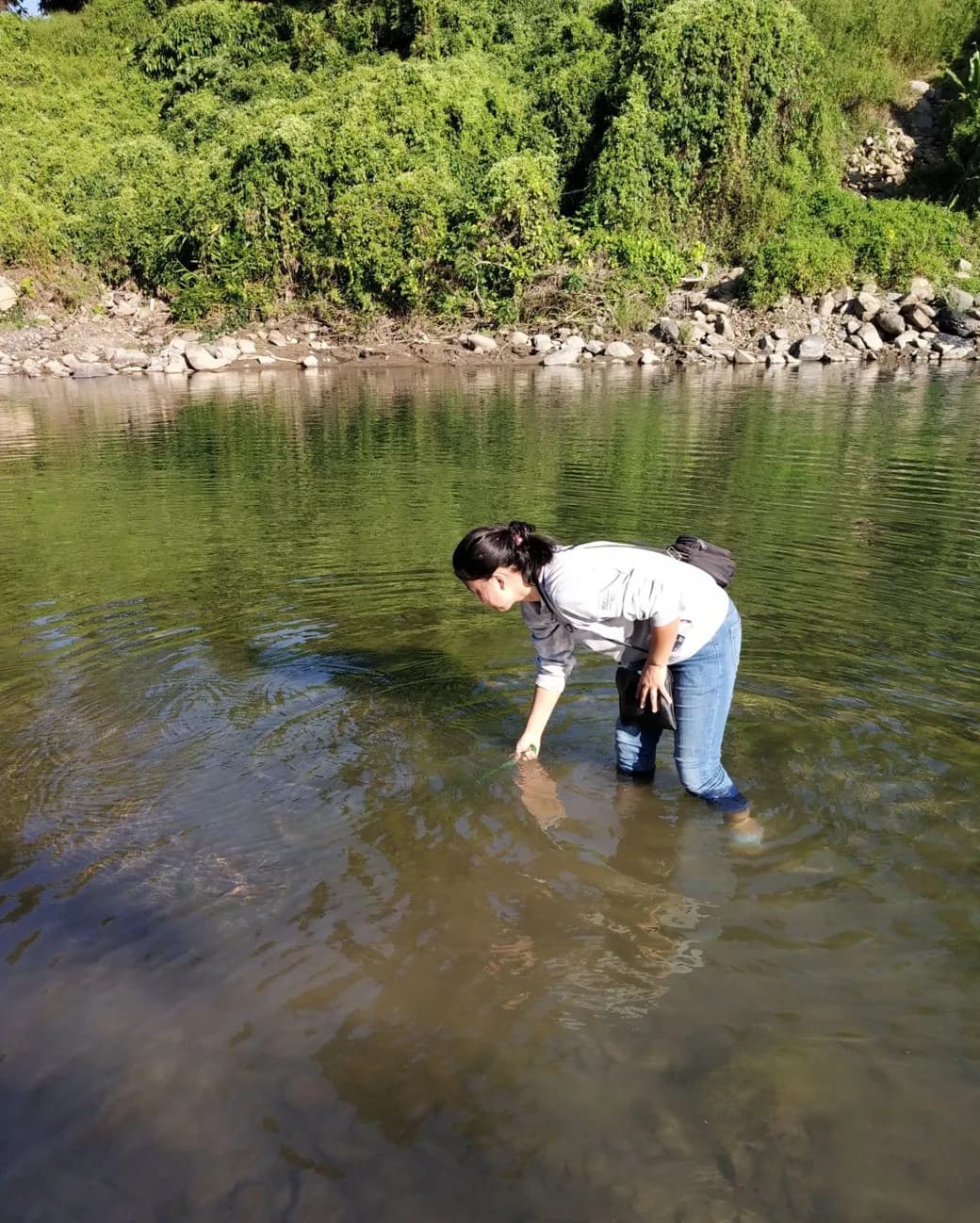
One simple but meaningful habit is to never allow waste, especially plastic and household trash, to enter rivers, streams, ponds, or drains that flow into them. Freshwater ecosystems support fish, aquatic plants, invertebrates, and countless other organisms. Waste entering these systems can degrade water quality, damage habitats, and affect aquatic life.
In addition, individuals can practise responsible water use, avoid dumping waste near riverbanks, and participate in local river-cleaning and conservation activities.
My research on the Dikhu River has deepened my belief that conservation does not always begin with large projects or complicated technologies. Sometimes, it begins with a simple change in everyday behaviour and a shared sense of responsibility.
What is the most tedious aspect of analysing underwater data?
I think the most tedious part is making sure the data is accurate and interpreting what they actually tell us. Field conditions are not always predictable, and changes in water flow, temperature, and seasons can influence the results. Sorting through large amounts of data and identifying meaningful patterns takes a lot of time and patience.
In my own research on the Dikhu River, one of the challenges is understanding how environmental conditions influence fish diversity across different sites and seasons. It can be demanding, but it is also rewarding when the data help us understand the river better and the life it supports.
Do you think the damage done to freshwater ecosystems in this day and age has reached an irreversible state?
I wouldn’t say it’s too late, but I do think some freshwater ecosystems have been damaged to a point where recovery is extremely difficult, and some losses may be irreversible. Pollution, habitat destruction, overfishing, and climate change are putting enormous pressure on our rivers and other freshwater habitats.
However, I believe there is still hope if we act in time. Protecting river habitats, practising sustainable fishing, and involving local communities in conservation can make a real difference.
Would you encourage young people to pursue higher studies in Zoology, and what career opportunities does the field offer today?
I believe zoology can be a rewarding career for students who are genuinely interested in animals, biodiversity, and the environment. It opens up opportunities in research, teaching, wildlife conservation, fisheries, aquaculture, and environmental management.
However, I think students should look beyond just earning a degree. Gaining practical experience, developing research and data analysis skills, and understanding how to apply their knowledge are equally important. A PhD is particularly valuable for those who want to pursue advanced research or an academic career, but it is not necessary for everyone.
My advice to young people is to follow their interests, explore the opportunities available, and build skills alongside their education. There is still so much to learn about our natural world, and zoology can give you the opportunity to make a meaningful contribution.
Which freshwater ecosystems are most at risk from human activities over the next 50 years, and why?
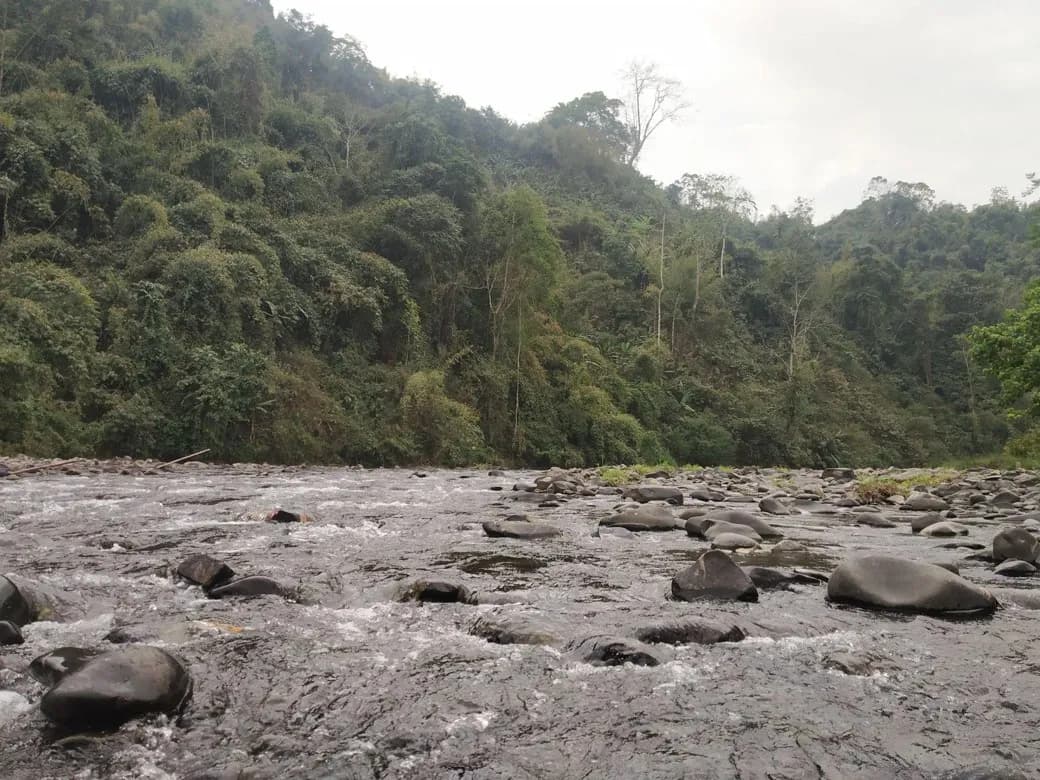
It’s difficult to say that any one freshwater ecosystem will inevitably disappear within the next 50 years, but I am particularly concerned about freshwater wetlands and small streams that are increasingly affected by human activities like pollution, habitat destruction and climate change.
What worries me is that we often overlook smaller rivers, streams, and wetlands until they begin to disappear. These ecosystems support fish diversity, provide water, and sustain local communities.
Through my research on the Dikhu River, I’ve come to appreciate how important it is to understand and protect our freshwater ecosystems before the damage becomes irreversible. I believe we still have time to make a difference, but we need to act now rather than wait until it’s too late.
What is the most bizarre or counterintuitive adaptation you have observed in a fish species?
One of the most fascinating adaptations I find is that of lungfish. When their freshwater habitats dry up during droughts, they can burrow into the mud and form a protective mucus cocoon around themselves. They then rely on their lungs to breathe and slow down their metabolism, allowing them to survive for months or even years until water returns.
I find this remarkable because, unlike most fish, lungfish have evolved a way to survive even when their aquatic habitat disappears. It really shows how extraordinary nature can be and how species develop unique ways to survive challenging conditions.
How do you view society’s lack of urgency in protecting threatened fish species and freshwater ecosystems?
I think one of the biggest challenges is that people often don’t realise the seriousness of the situation until they start seeing the effects around them. We tend to take rivers and their resources for granted, assuming they will always be there.
The problem is that the decline of fish populations and the damage to freshwater ecosystems often happen gradually, so they don’t always get the attention they deserve. By the time we recognise the impact, some species may already be on the verge of extinction.
Through my research journey, I’ve realised how important it is to create awareness and encourage people to take an active role in conservation. I believe protecting our rivers and fish requires collective responsibility from communities, policymakers, and individuals.
The authors are students of Sanskriti – The Gurukul, Guwahati. They contributed to this interview as part of their school project and exposure to journalism at Eastern Mirror.
Rapid Insights
What is your favourite fish species?
My favourite fish is chocolate mahseer (Neolissochilus hexagonolepis).
Who has had the greatest influence on your journey?
Joseph S Nelson, a renowned Canadian ichthyologist and author of ‘Fishes of the World’.