


World Hospice and Palliative Care Day observed in Dimapur, highlighting pain management and community-based palliative care.
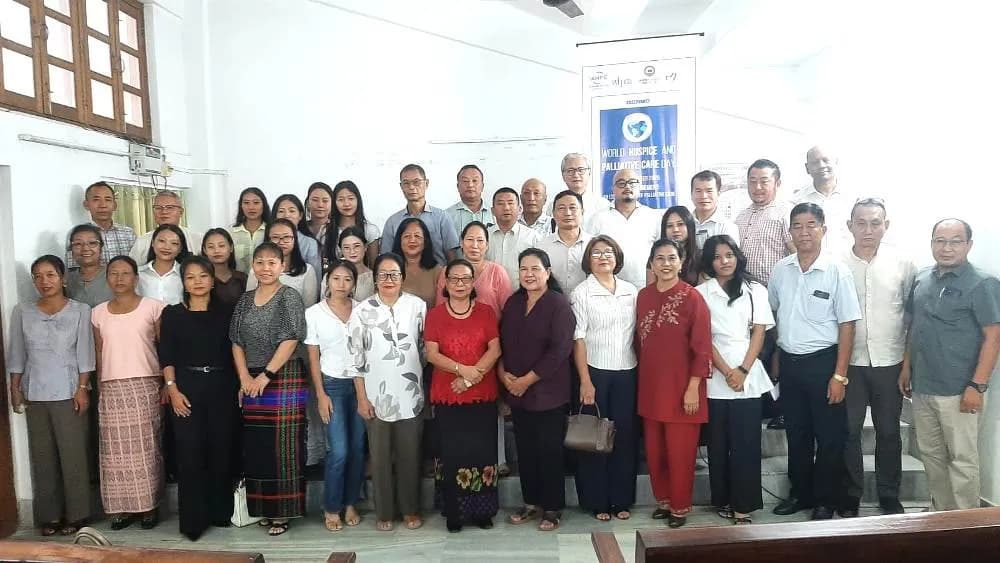
DIMAPUR — World Hospice and Palliative Care Day was observed on the theme “Pain Management: An Essential Part of Palliative Care” at the conference hall of Dimapur Ao Baptist Arogo (DABA), Dimapur, on Saturday.
The programme was organised by the District Health and Family Welfare (H&FW) department in collaboration with Serene Palliative Care and DABA, and sponsored by the H&FW department.
Speaking as guest of honour, Principal Director of H&FW, Dr. Keveduyi Theyo, said the observance aimed to raise public awareness about palliative care, advocate equitable access to pain relief and medical and emotional support, and encourage discussions on psychological and spiritual well-being. He also acknowledged the contributions of healthcare professionals and family caregivers.
Dr. Theyo said palliative care focused on improving the quality of life of patients and their families facing life-threatening illnesses.
It addressed not only physical pain but also psychological, social and spiritual needs, and was not limited to end-of-life or hospice care.
He noted that only 14% of people requiring palliative care globally currently received such services, highlighting the need to expand access.
The National Programme for Palliative Care (NPPC) seeks to integrate palliative care into India's healthcare system, with emphasis on accessibility and community-based services.
Also read: DC Kohima urges graduates to uphold integrity, serve society
According to Dr. Theyo, more than 80% of palliative care needs could be managed at home with appropriate training and support systems.
Home-based care enables patients with cancer, end-stage organ failure, neurodegenerative diseases and age-related conditions to receive treatment in familiar surroundings. It can also reduce unnecessary hospitalisation and costs while improving quality of life.
He called for palliative care services to be made available in all districts, with particular emphasis on pain and symptom management and the involvement of interdisciplinary teams.
He stressed that the H&FW Department alone could not meet all the needs of patients, as palliative care required physical, social, psychological and spiritual support.
He underscored the importance of collaboration with churches and non-governmental organisations to strengthen community-based care and ensure comprehensive support for patients and their families.
Delivering the theme address, Dr. Nepuni Athikho emphasised a holistic approach to pain management involving healthcare professionals, community volunteers, social workers, families and faith-based organisations.
He said palliative care extended beyond medication and hospital-based treatment, requiring coordinated efforts to address patients' physical, psychological, social and spiritual needs.
Doctors, nurses, physiotherapists, pharmacists and other healthcare professionals played important roles, while community members and volunteers were equally essential in providing compassionate care.
Dr. Athikho said pain management could be provided in hospitals, hospices, palliative care centres and patients' homes.
He stressed that healthcare providers should regularly assess pain, believe patients' accounts of their suffering, provide appropriate treatment and educate patients and families about medication, possible side effects and follow-up care.
Referring to the World Health Organization's pain ladder, he highlighted the importance of administering medication on time and according to pain intensity rather than waiting for the pain to become severe.
He also highlighted the role of social workers in providing counselling, financial assistance, educational support and livelihood opportunities to families affected by prolonged illness.
Dr. Athikho said effective pain management required a multidisciplinary approach involving healthcare professionals, social workers, counsellors, chaplains, volunteers and family members to ensure patients' dignity, comfort and quality of life.
Short speeches were also delivered by Joint Director of H&FW and State Programme Officer of NPPC, Dr. Imnapokim, and DABA Senior Pastor Rev. Wati Kichu. Dr. Obangjungla delivered the keynote address.