


Dimapur shoppers balance online convenience with local markets, where trust, bargaining and service still matter.
Vimetuo Toto Pienyü
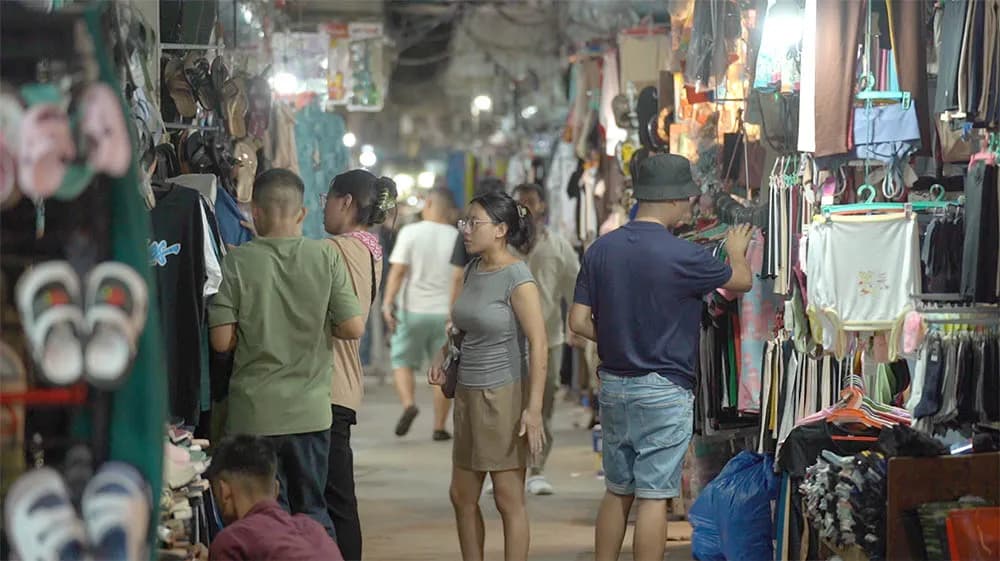
DIMAPUR — The sounds of bargaining, friendly conversations and shopkeepers calling out to customers continue to define New Market in Dimapur.
Although the market remains one of Nagaland's busiest commercial centres, many local business owners say shopping habits are gradually changing as more consumers turn to online platforms for convenience and competitive prices.
Changing shopping habits
A visit to New Market, Church Road and Circular Road revealed that while traditional shopping remains an important part of everyday life, online shopping has become an equally significant option, especially among younger consumers. Rather than choosing one over the other, many shoppers now switch between the two depending on what they need.
Shop owners with business experience ranging from three years to over two decades acknowledged that online shopping has influenced customer behaviour in different ways. While each business has experienced the impact differently, they agreed that maintaining customer trust and providing a better shopping experience remain their greatest strengths.
What shop owners say
A cosmetics shop owner at New Market, who has been in business for several years, said online shopping has affected sales because many cosmetic products are available online at lower prices. To remain competitive, the shop offers discounts to regular customers whenever possible.
According to the owner, building relationships with customers has become just as important as selling products.
A second-hand clothing shop owner shared a similar concern, saying the rise of online thrift stores has reduced walk-in customers. However, the owner believes physical stores still have an advantage because customers can personally inspect the quality, size and condition of an item before making a purchase.
The owner also pointed out that online shopping is not always reliable, mentioning issues such as delayed deliveries, cancelled orders and parcels being lost during transit.
A sportswear and sports equipment shop owner on Church Road offered a more balanced perspective. While acknowledging that online shopping has reduced physical shopping, the owner said genuine sports equipment is often sold at similar prices in physical stores.
The owner explained that customers purchasing expensive equipment, such as treadmills, online at a cheaper rate sometimes face difficulties when products develop faults, as warranties may be limited online and finding replacement parts or repair services can become challenging.
In contrast, local stores are able to provide guidance and after-sales support, giving customers greater confidence in their purchases.
Across the businesses visited, shop owners observed that customers mostly buy smaller and readily available items from local stores. They also agreed that loyal customers continue to return because of the trust developed over the years through consistent service and product quality.
Fewer shoppers, fewer opportunities
Despite the competition from online shopping, business owners identified another challenge that concerns them even more: a decline in the overall number of people visiting the market.
They explained that even if shoppers do not specifically intend to visit a particular store, a busy market naturally leads to more walk-in customers. Fewer visitors, however, mean fewer opportunities for spontaneous purchases.
What shoppers prefer
Interviews with a group of high school students reflected a prudent approach towards shopping. None viewed online or offline shopping as the better option in every situation. Instead, they said their choice depends on the product they intend to buy and the convenience it offers.
The students appreciated online shopping for saving time and allowing products to be delivered directly to their homes. At the same time, they valued shopping in physical stores because they could inspect products before buying, compare quality, bargain for better prices and decide whether an item offered good value for money.
A man in his mid-20s expressed a strong preference for online shopping, describing it as a convenient option that allows people to shop from the comfort of their own homes.
He felt that the growing popularity of e-commerce could eventually reshape the retail market, with online shopping becoming more dominant in the years ahead. According to him, online sellers often operate with lower overhead costs, as they do not have to bear expenses such as shop rent, daily travel to a physical store and other operational costs.
These savings, he believes, can make it easier for online businesses to offer competitive prices, attracting more customers over time.
Adding another perspective, a woman in her late 40s said she continues to prefer shopping at physical stores despite the growing popularity of online stores.
According to her, visiting the market allows her to personally check the quality, size and durability of products before purchasing them. She also enjoys the process of interacting and negotiating prices with shopkeepers.
While she acknowledged the convenience of online shopping, she stated that shopping at physical stores gives her a feeling of satisfaction and confidence in the items she purchases.
Observations made during the visit supported these views. Throughout the day, New Market continued to be busy with shoppers, but the number of people seemed to be less than it had been in the past.
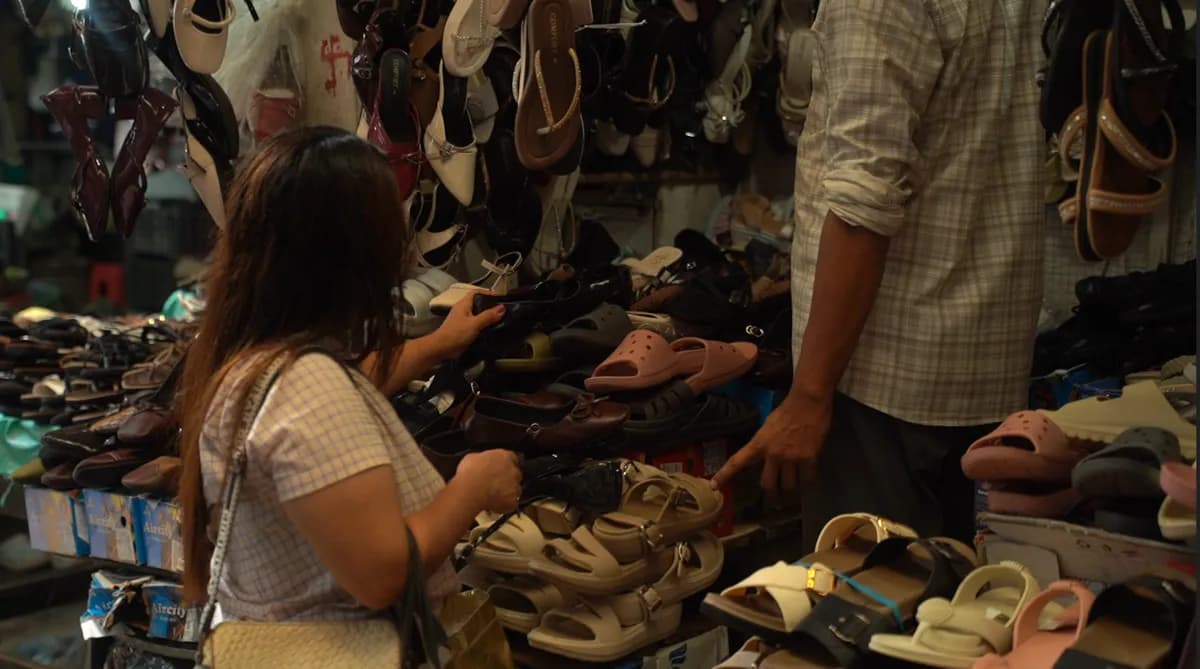
Among the various businesses, second-hand clothing stores attracted the largest number of customers. Bargaining remained a common sight, with buyers and sellers negotiating prices before completing purchases.
Clicks and counters coexist
It is safe to say that online shopping has become an important part of consumers' lives, particularly among the younger generation.
Price, convenience and product quality are the main factors influencing purchasing decisions. However, physical stores continue to offer experiences that online platforms cannot easily replace, including personal interaction, immediate access to products, the ability to inspect items and the trust built through years of customer relationships.
Rather than signalling the decline of traditional markets, the shopping habits observed in Dimapur point towards a changing retail setting where online and offline shopping coexist.
As technology continues to shape consumer behaviour, local businesses are adapting by strengthening customer relationships, improving service and finding new ways to remain competitive.
For now, the counters of Dimapur's markets continue to hold their place alongside the growing appeal of a simple click, and the conversations in New Market, Church Road and Circular Road show that shopping in Dimapur is not simply a choice between online and offline.
For many, both have become part of everyday life. Online shopping offers convenience, wider choices and the comfort of shopping from home, while local markets continue to provide personal interaction, immediate access to products, physical inspection and the trust built between shopkeepers and customers over time.
As consumer habits continue to evolve, the future of shopping in Dimapur may not be about one replacing the other but about how both systems adapt and coexist to meet different needs. For now, the city’s markets remain active, even as more purchases begin with a click.
(Vimetuo Toto Pienyü is a third-semester student of the Department of Mass Communication and Journalism at Tetso College, Sovima. He is currently undertaking an internship at Eastern Mirror)