


Civic apathy in Dimapur continues to undermine clean-up efforts by Dimapur Municipal Council and volunteers, with littering, waste mismanagement and poor public cooperation persisting.
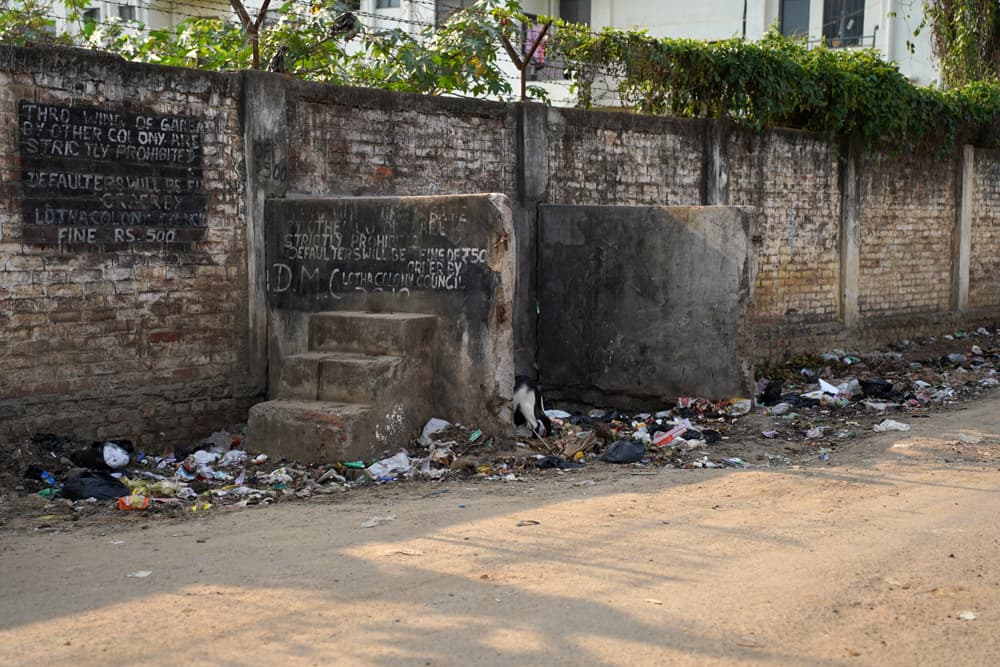
DIMAPUR — Walk into an average home in Dimapur and the contrast is immediate. Floors are swept, utensils polished, bathrooms scrubbed clean each morning. Step outside the same gate, however, and the scene shifts — plastic wrappers clog drains, betel-leaf stains mark walls, and potted plants are uprooted before they can take root. The contradiction points to a larger concern: the absence of civic sense in shared spaces.
Across the town, efforts to maintain cleanliness continue, led by the Dimapur Municipal Council (DMC), Better Dimapur, and other citizen-led groups. Volunteers gather early in the morning for cleanliness drives, repaint walls to discourage spitting, install dustbins, and place potted plants along stretches such as MP Road and Circular Road, with the idea that a well-kept street may encourage people to think twice before littering.
Providing a closer look at the work on the ground, Sentinuklu Jamir, DMC councillor and sanitation in-charge, Chubazungla, councillor of the DMC sanitation branch, and Temsuwapang Longchar from the DMC sanitation branch described how teams operate daily to keep the city clean.
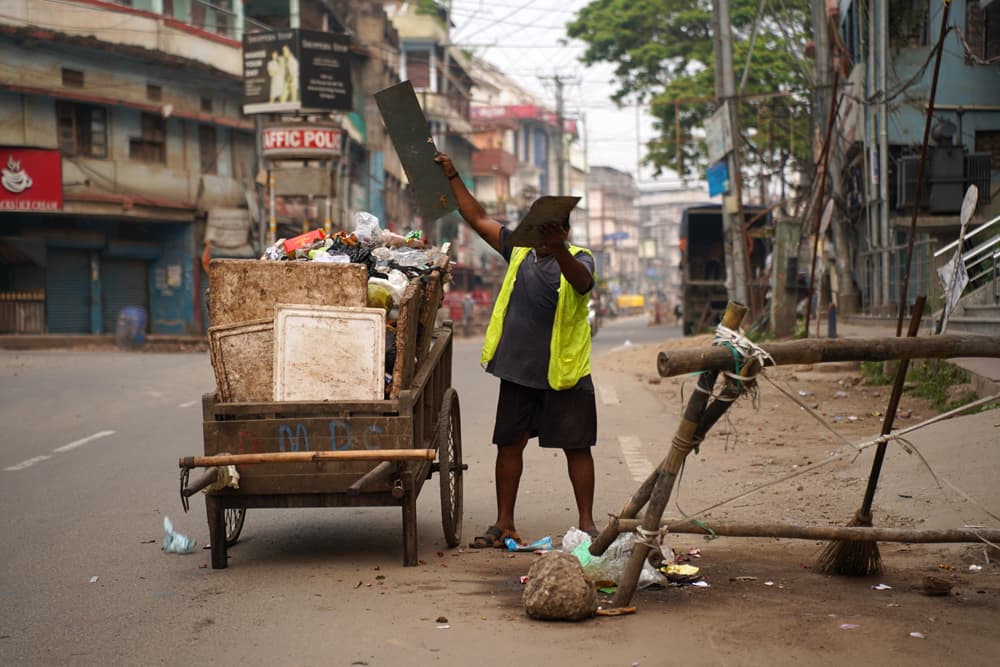
From around 4 am, supervisors, known as Sadars, along with workers and trucks, begin sweeping across assigned areas. In locations such as New Market, including fish and livestock sections, truckloads of waste are collected each day before being transported to the dumpsite at Burma Camp, Ward 3. The site is nearing capacity, and officials said solutions are being explored.
They added that while some residents follow waste segregation practices, the system breaks down during collection, as mixed waste is loaded into trucks due to non-compliance by a majority of residents.
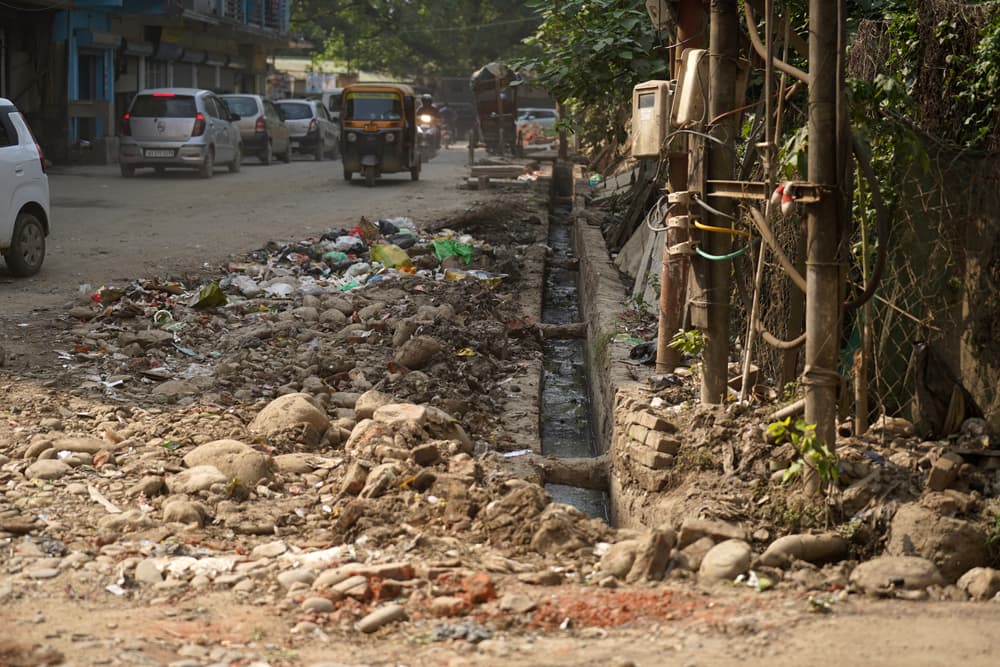
At the same time, officials attributed part of the problem to sections of the population not adhering to waste disposal norms, stating that indiscriminate dumping continues to clog drains and contribute to flooding.
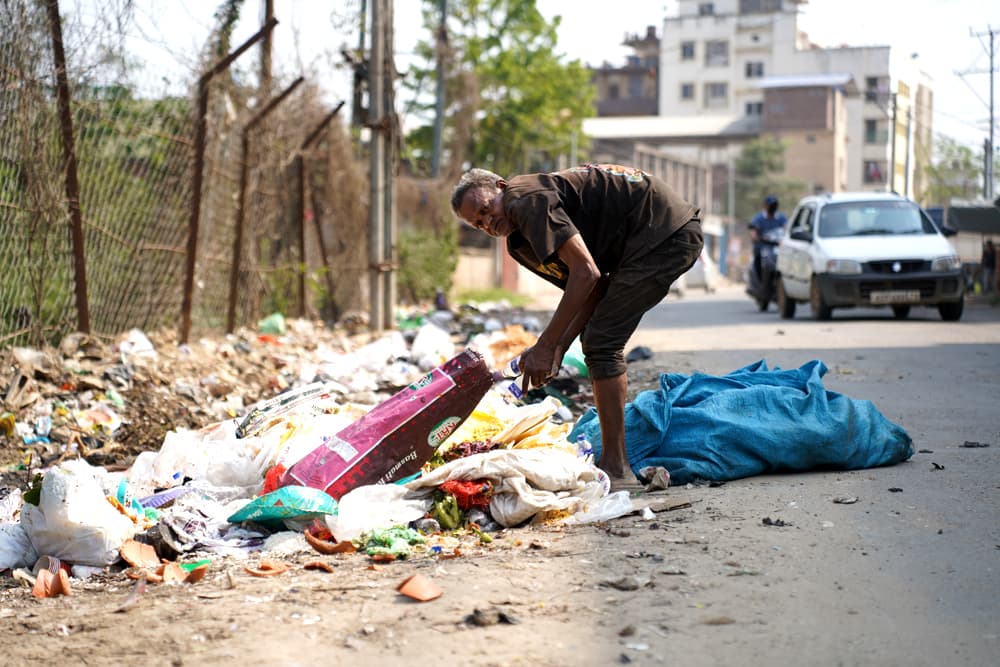
The councillors also pointed out that the town lacks a sewage system and much of the work is carried out manually. Trucks and excavators are used to transport waste, while workers are provided with basic safety gear such as gloves, reflective jackets, and boots. Medical camps are conducted periodically.
Despite these efforts, officials said they face both funding limitations and lack of public cooperation. While fines for littering and public spitting exist, enforcement remains inconsistent. They stressed that beyond regulation, there is a need for social accountability.
“What we lack is social enforcement, the collective refusal to stay silent when someone tosses a packet from a moving car or empties their mouth on a freshly painted wall,” the officials said.
“No NGO or municipal body can keep a city clean if its citizens are determined to dirty it,” the officials said, adding that sustained change depends on how people view public spaces.
The strain is visible in the experience of volunteer groups. K Sumi, coordinator of Better Dimapur, said that between January and June 2026, 120 ornamental plants were placed across key junctions, of which 48 were lost within a week due to theft or vandalism. He noted that such initiatives are largely self-funded by volunteers, who invest both time and resources.
Dustbins installed at bus stops often disappear or are misused, while garbage accumulates beside them. Murals intended to discourage spitting are defaced within hours. “The real challenge is not waste management, but public apathy towards shared spaces,” he said.
A contrasting example comes from the Don Bosco Provincial House (DBPH) community in Sematilla Colony. A member of the community recalled that the area was once used as a dumping site, causing persistent foul odour and drainage issues, particularly during rains when water would overflow into the premises.
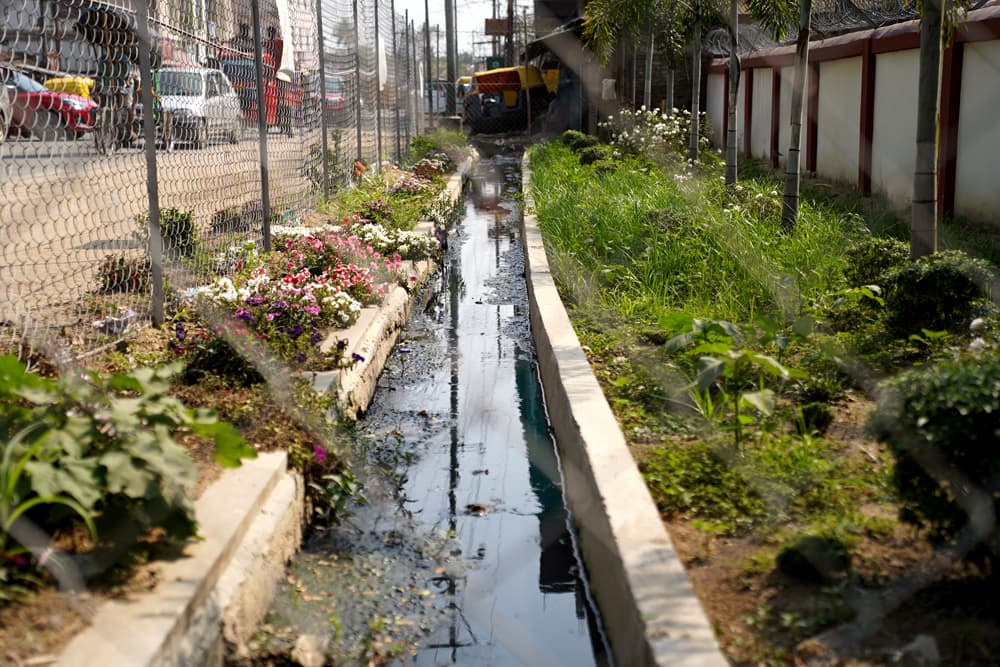
After repeated appeals to authorities yielded little response, the community undertook its own clean-up initiative in 2025. Bamboo barriers and nets were installed, followed by an iron mesh funded by the community. Over time, with improvements to drainage and landscaping, including planting flowers and levelling potholes, the area began to change.
While occasional dumping still occurs, regular maintenance by staff has helped sustain the transformation. However, drainage issues persist due to blockages further along the system. The community member noted that no financial assistance has been received from government or municipal authorities.
“Civic sense has to increase in our overall region,” he said, adding that unless proper waste disposal systems or designated dumping points are made accessible, the problem of indiscriminate littering is likely to continue.
On the ground, sanitation workers encounter the consequences daily. DMC supervisor (Sadar) CH Dharma Rao, working in the New Market area, said that teams handle all forms of waste, including hazardous and decomposed materials. Preparatory work for the monsoon is ongoing under the Municipal Affair department, including cleaning of drains in areas such as Westyard Colony.
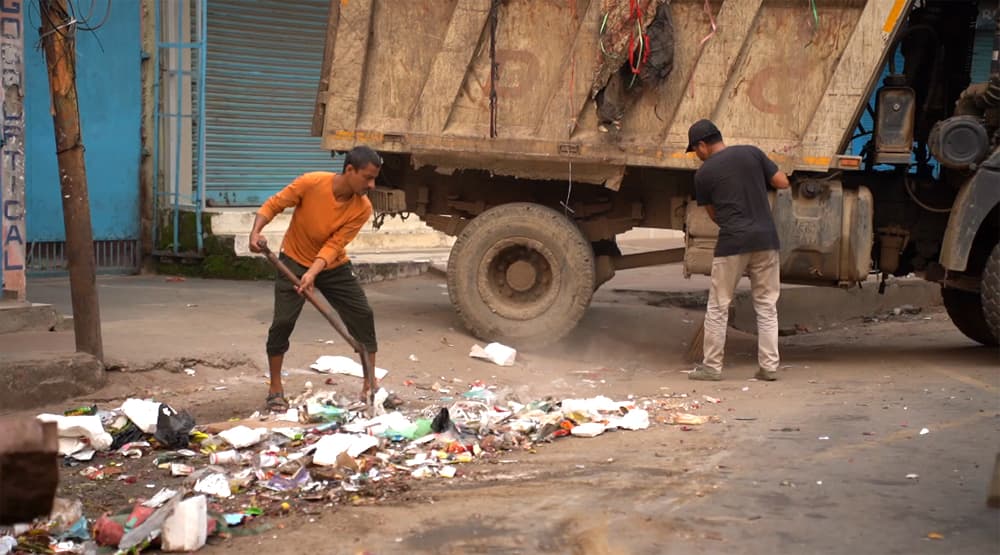
The DMC has urged residents to dispose of waste at designated points after 6 pm, with collection scheduled by 7 am the following morning. Special drives and fines are in place for defaulters, though compliance remains uneven. Notices have been issued in areas such as Lotha Colony where improper dumping persists.
However, Ramesh, a resident of Sewak Road and Riya, a shopkeeper who lives nearby, said bags of garbage are often thrown from moving vehicles outside the collection schedule, leading to foul odour and unsanitary conditions in surrounding areas.
Similarly, a passerby near Faith Hospital observed that plastic bottles and wrappers often occupy most of the drainage space, restricting water flow.
With the rains approaching, the challenge of keeping the city clean is likely to intensify. For now, the cycle continues — efforts to clean, followed by acts that undo them — raising a persistent question about responsibility and shared space in Dimapur.
The writer, Yapangnaro, is a graduate in Mass Communication and Journalism from St. Joseph’s College, Darjeeling, and is currently an intern at Eastern Mirror.