


Neiphiu Rio hails Ungma-Tuophema friendship as symbol of Naga unity at silver jubilee celebration marking 25 years of bond.
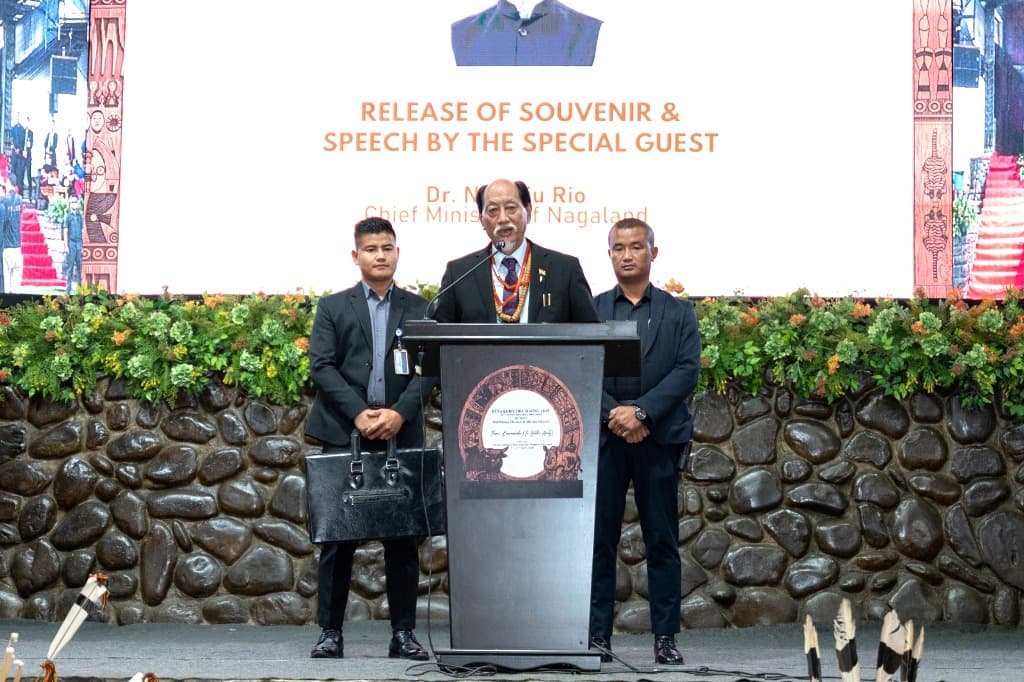
MOKOKCHUNG — Marking 25 years of a unique inter-village friendship, the silver jubilee celebration of Rüna Khrietho–Maong Aksü between Ungma and Tuophema villages on Saturday turned into a larger call for unity, with Chief Minister Neiphiu Rio describing the bond as a living symbol of Naga brotherhood that must extend across tribes and generations.
Hosted by Ungma Village Council, the celebration coincided with Moatsü festival and was held on the theme “Kaamzemshi,” an Ao term meaning “to bolster amity.”
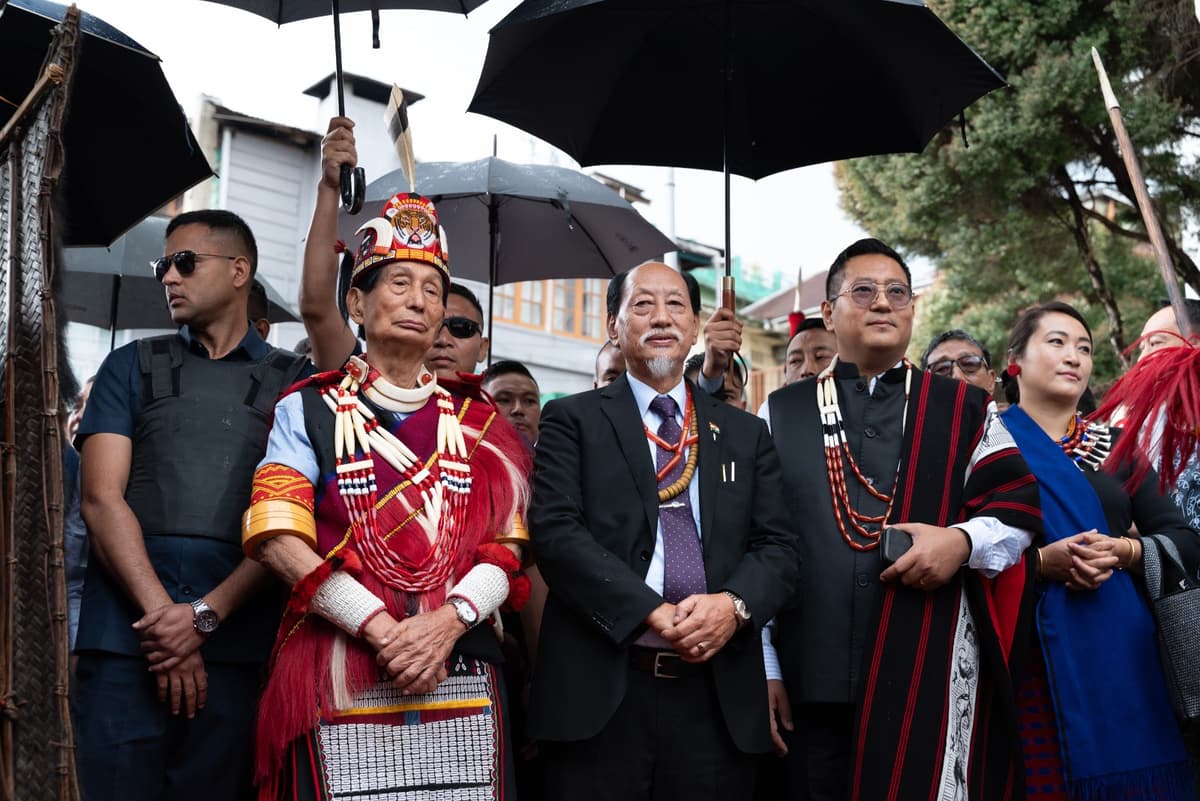
The event drew a distinguished gathering, including former Chief Minister and former Governor SC Jamir as honoured dignitary and Speaker of Nagaland Legislative Assembly Sharingain Longkumer as chief host, along with ministers, advisors, officials and community leaders.
Also read: Nagaland: At Moatsü, Patton rallies Nagas behind one voice
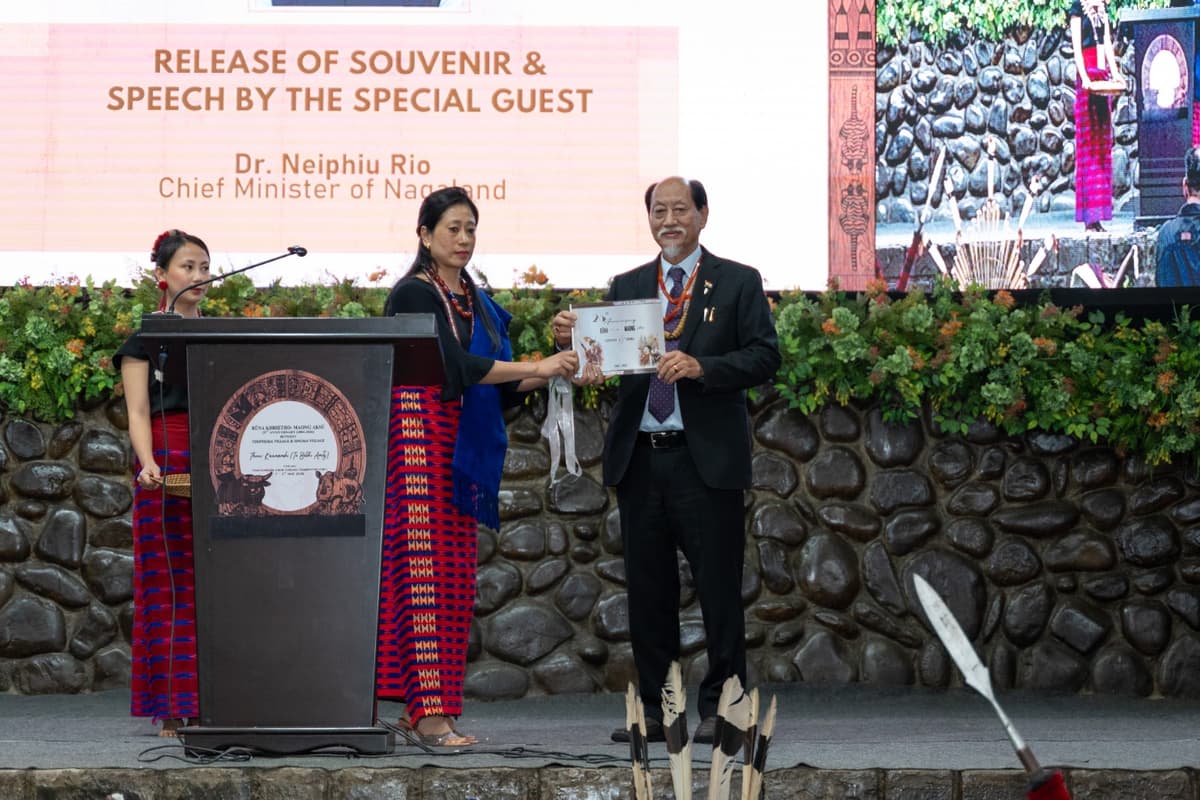
Addressing the gathering, Rio described Moatsü as one of the most significant festivals of the Ao community, reflecting the rich traditions and cultural heritage of the Nagas.
“It is not only a celebration, but it gives colour to our rich tradition and culture,” he said, adding that festivals strengthen the bond between people, land and tradition, while passing on values of unity, harmony and hard work to younger generations.
Highlighting the silver jubilee of friendship between Ungma and Tuophema, Rio termed the 25-year bond a milestone that offers an opportunity for reflection and renewal.
Recalling its origins, he pointed to the Sekrenyi festival celebration at Tuophema on February 26, 2001, when leaders and members from Ungma, led by Jamir, participated—an exchange that later evolved into a formal friendship.
“Tuophema making friendship with Ungma is making friendship with all the Aos, and Ungma making friendship with Tuophema is making friendship with all the Angamis and Tenyimis,” Rio said, underlining the broader significance of the relationship.
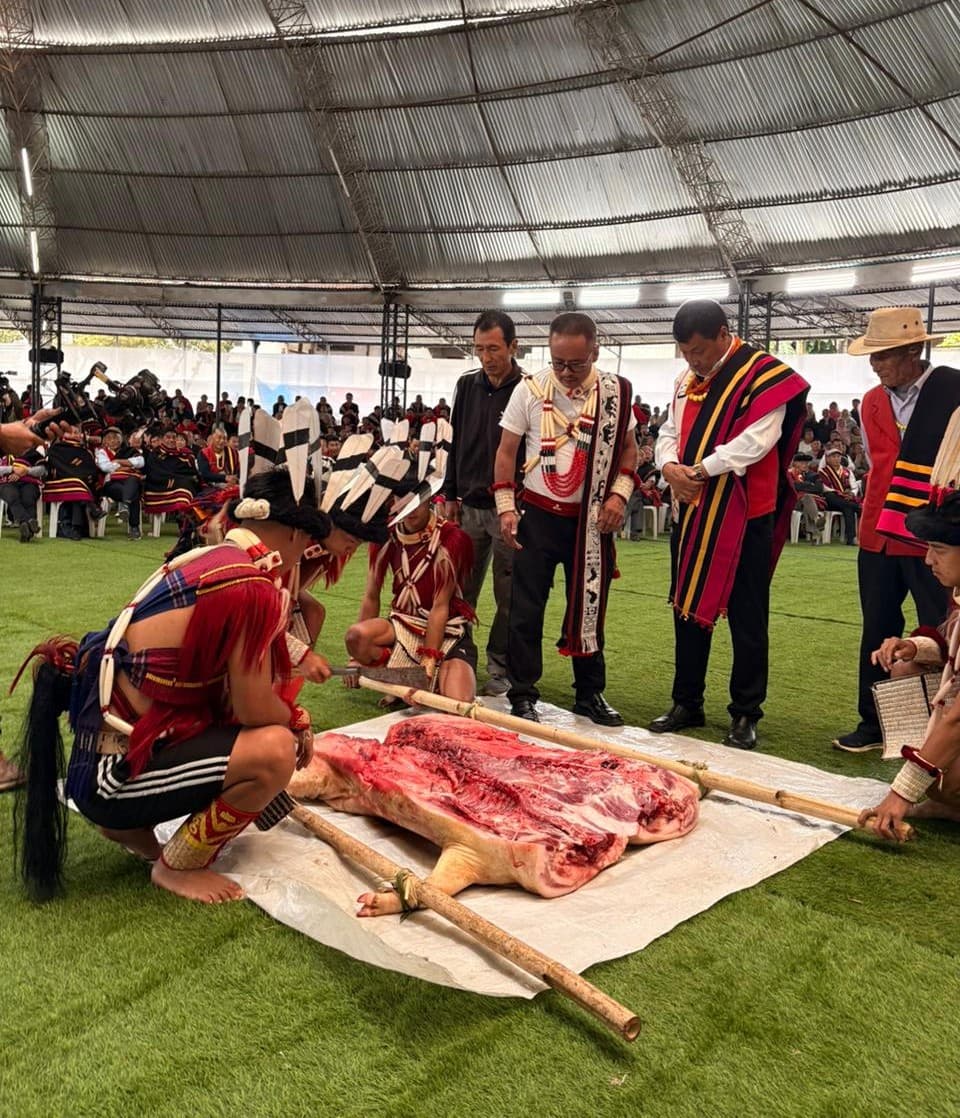
He also recalled the traditional ceremony through which the friendship was formalised, involving the slaughter of a pig that was divided equally between the two villages—a symbolic act representing equality, mutual respect and brotherhood.
Over the years, he said, the villages have sustained the bond through regular exchanges during festivals and important occasions.
Expressing satisfaction at the participation of youth and students, Rio said that the younger generation would carry forward the legacy.
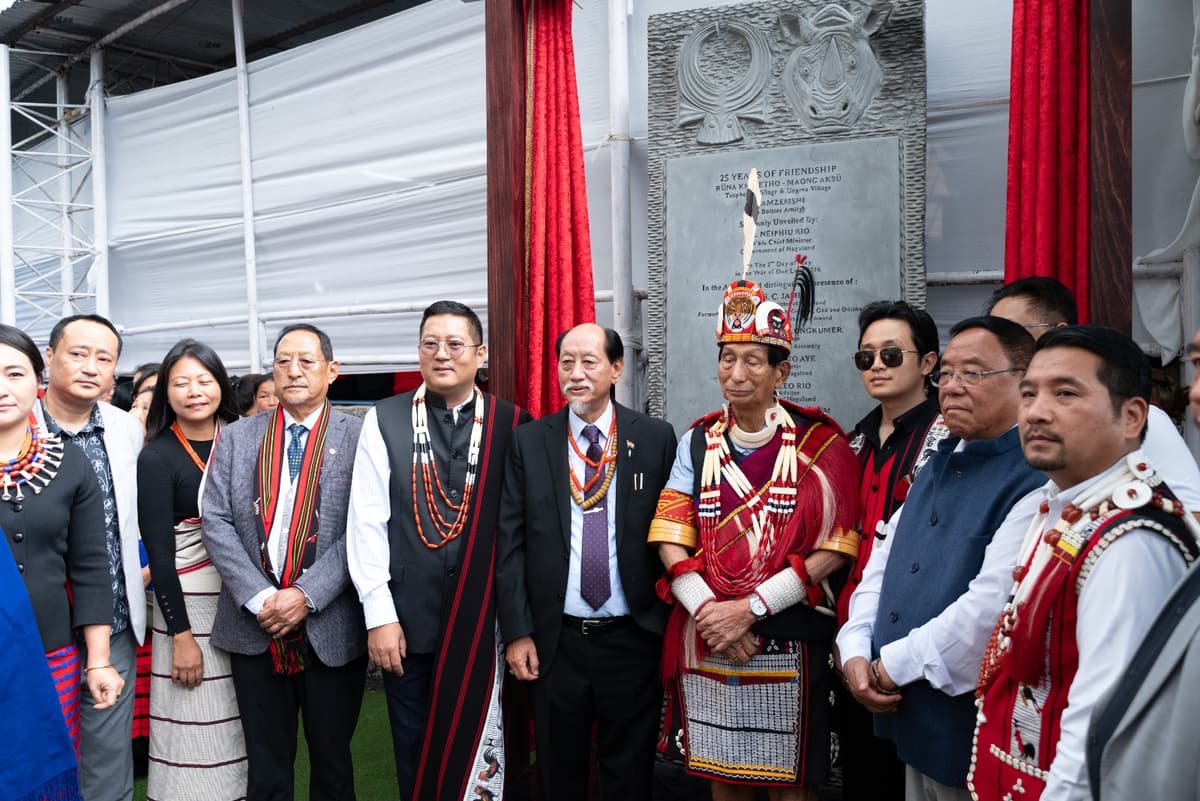
“I’m sure they will be looking forward to the golden jubilee,” he said, expressing hope that the friendship would continue to grow and inspire wider unity among the Nagas.
Calling for greater cohesion, the chief minister said that such inter-community bonds should go beyond individual villages and contribute to peace, harmony and unity across Nagaland.
He also described the donation of ancestral land by Ungma villagers to organisations such as ENPO, CNTC and TUN as a “historic” gesture that reinforces collective identity and oneness.
Speaker Sharingain Longkumer, in his address, described the friendship as a visionary initiative forged during a turbulent phase in Nagaland’s history, aimed at promoting unity, peace and progress.
He recalled that the bond was initiated when Dr. Jamir was Chief Minister and Rio was Home Minister, reflecting a shared commitment to strengthening Naga unity.
“Time and faith brought together two great leaders in establishing this bond,” he said, expressing hope that it would continue to serve as a foundation for future generations based on mutual respect, diversity and unity within the Naga family.
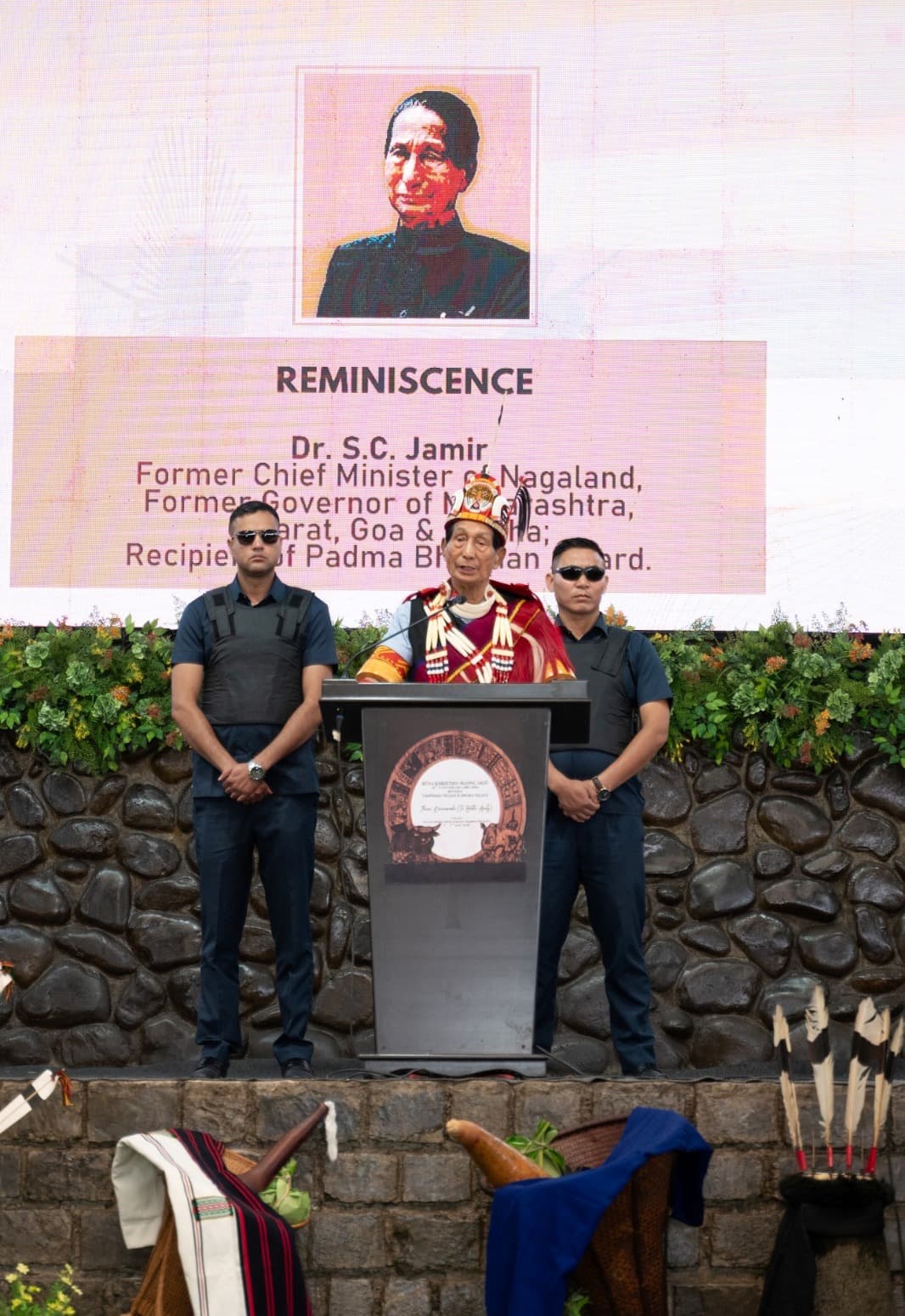
Former Chief Minister SC Jamir, reflecting on the journey of the past 25 years, described the celebration as a moment of introspection not only for the two villages but for the Nagas as a whole.
He also recalled that the friendship was conceived during a period marked by a strong public yearning for peace and normalcy.
“There was longing in the hearts of every individual for a new dawn of peace and prosperity,” he said, adding that civil society, churches and community organisations had worked collectively during that time.
Jamir said that the idea behind the Ungma–Tuophema friendship was to demonstrate, through action, that unity among diverse tribes was possible. “The mission was that the Naga family should be a united and happy family,” he said.
However, he expressed concern over what he described as growing divisions within Naga society, including factionalism, tribalism and materialism, which he said have eroded social cohesion and values.
“Factionalism and divisions have weakened our society,” he remarked, cautioning against narrow self-interest and urging people to work for the larger good of Nagaland.
On the political front, Jamir stressed the need for a practical and forward-looking approach, stating that existing agreements such as the Framework Agreement and Agreed Position offer the only viable path under present circumstances.
“Past will not rescue you. It will not lead you forward,” he said, calling for realistic and achievable goals.
He urged the people to “draw new dreams” and work towards building a united, harmonious and progressive Nagaland, stressing that responsibility for the state’s future rests with its people.
“We must rise and do what is possible for our own future,” he said.
Reiterating the importance of unity, Jamir expressed hope that the spirit of friendship between Ungma and Tuophema would spread across Nagaland, serving as a foundation for a stronger and more cohesive society.
The event also featured the ceremonial Rüna Khrietho–Maong Aksü, symbolising blessing and goodwill through the sharing of a slaughtered pig between the two villages, reinforcing equality and mutual respect.
In a significant gesture, three landowners from Ungma village donated plots of land to the Eastern Nagaland Public Organisation (ENPO), Central Naga Tribal Council (CNTC) and Tenyimi Union, Nagaland (TUN).
The celebration concluded with cultural performances, exchange programmes and a traditional feast, reflecting the enduring spirit of friendship that has come to define the Ungma–Tuophema bond over the past 25 years.