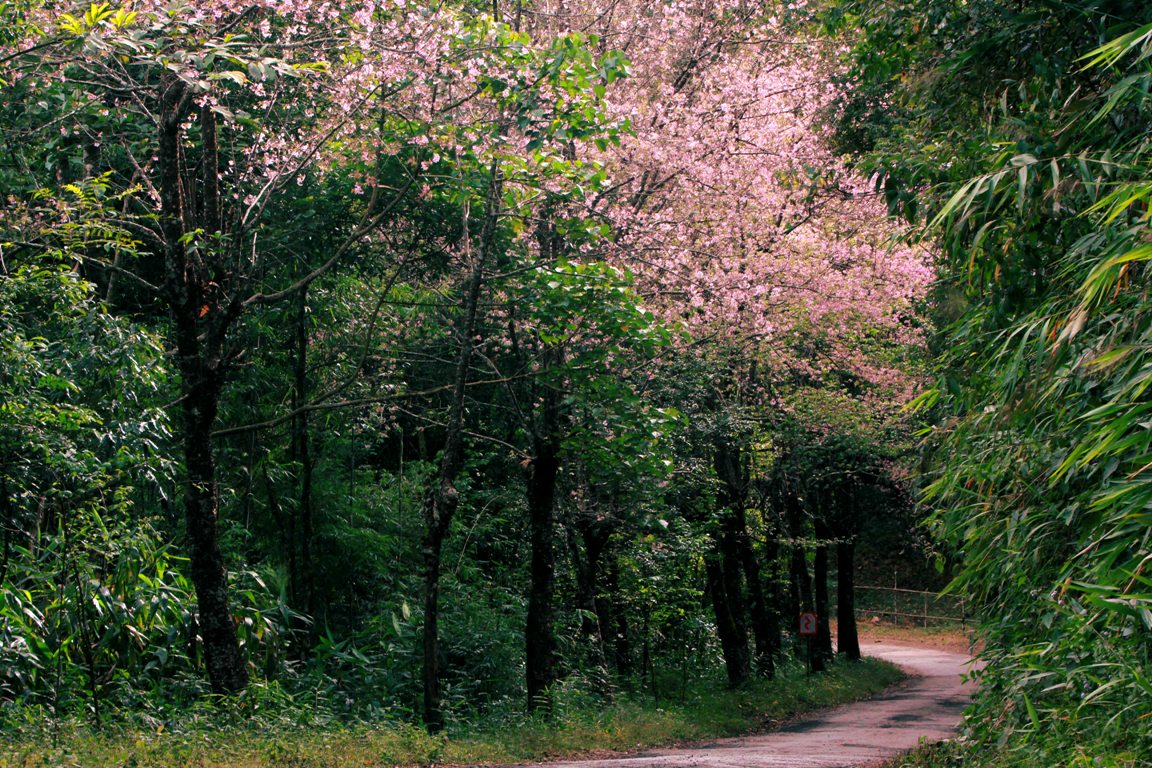
MOKOKCHUNG — A three-day second edition of the
Cherry Blossom Festival in Longkhum village, running from November 27 to the
29th, drew widespread enthusiasm as a celebration of nature and community
potential.
Organised on the theme "In unison with nature,"
the festival emphasises the harmony between the environment and the people,
presenting Longkhum’s stunning natural beauty and rich cultural heritage.
The guest of honour and deputy commissioner of Mokokchung,
Thsuvisie Phoji, in his speech, expressed optimism on the potential of the
festival in future and commended the efforts of Longkhum village in
independently organising the event.
"Though the Cherry Blossom Festival is still in its
early stages, it has gotten off to a very good beginning," Phoji said,
forecasting significant growth for the festival in the coming years.
He highlighted tourism challenges in Nagaland, including
limited year-round visitors due to inadequate infrastructure. However, he
lauded Longkhum’s initiative and encouraged the community to develop the
festival further, preserve its lush environment and leverage the village’s
picturesque location as a tourist destination.
Phoji emphasised the need to diversify Nagaland’s tourism
offerings beyond the Hornbill Festival, calling for more local festivals to
preserve the state’s ethnic identity and originality. He noted that events like
the Cherry Blossom Festival could help maintain Nagaland's distinct cultural
and natural appeal.
The special guest and president of Ao Senden, Marsanen
Imsong, echoed Phoji’s sentiments, who described the festival as a
"platform to showcase Longkhum’s potential."
Imsong expressed confidence in the festival’s planning and
highlighted its reflection of the village’s beauty and heritage. He added that
the Cherry Blossom Festival symbolises more than just an event; it represents
community spirit, cultural pride and a sustainable vision for Longkhum’s
future.
“Its evolution could set an example for other villages
across Nagaland, showcasing the region’s natural and cultural wealth,” he said.
He further said that the festival’s growing success
signifies Longkhum’s potential as a major tourist attraction. He added that by
fostering community involvement and sustainable practices, it promised not only
economic benefits for the village but also greater visibility for the district
as a whole.
This year’s Cherry Blossom Festival has surpassed
expectations, with more stalls, improved organisation and a broader array of
activities compared to its inaugural edition.
From music and food to various community-driven activities,
the event has become a source of unity and pride, drawing enthusiastic
participation from locals and visitors alike.
Added features of the Cherry Blossom Festival 2.0 included
marathon race, cycling (endurance race) and fitness competition.
With continued development, Longkhum’s Cherry Blossom
Festival is poised to become a centerpiece of Nagaland’s tourism calendar,
offering a blend of nature, culture and innovation that appeals to both locals
and global visitors.