DIMAPUR — In 2013, the rediscovery of
butterflies like the Tawny Emperor (Chitori ulupi ulupi) and Comic Oakblue
(Arhopala comica), both thought to be extinct, drew significant attention to
Nagaland’s ecological wealth.
Both these butterflies were sighted by butterfly enthusiast
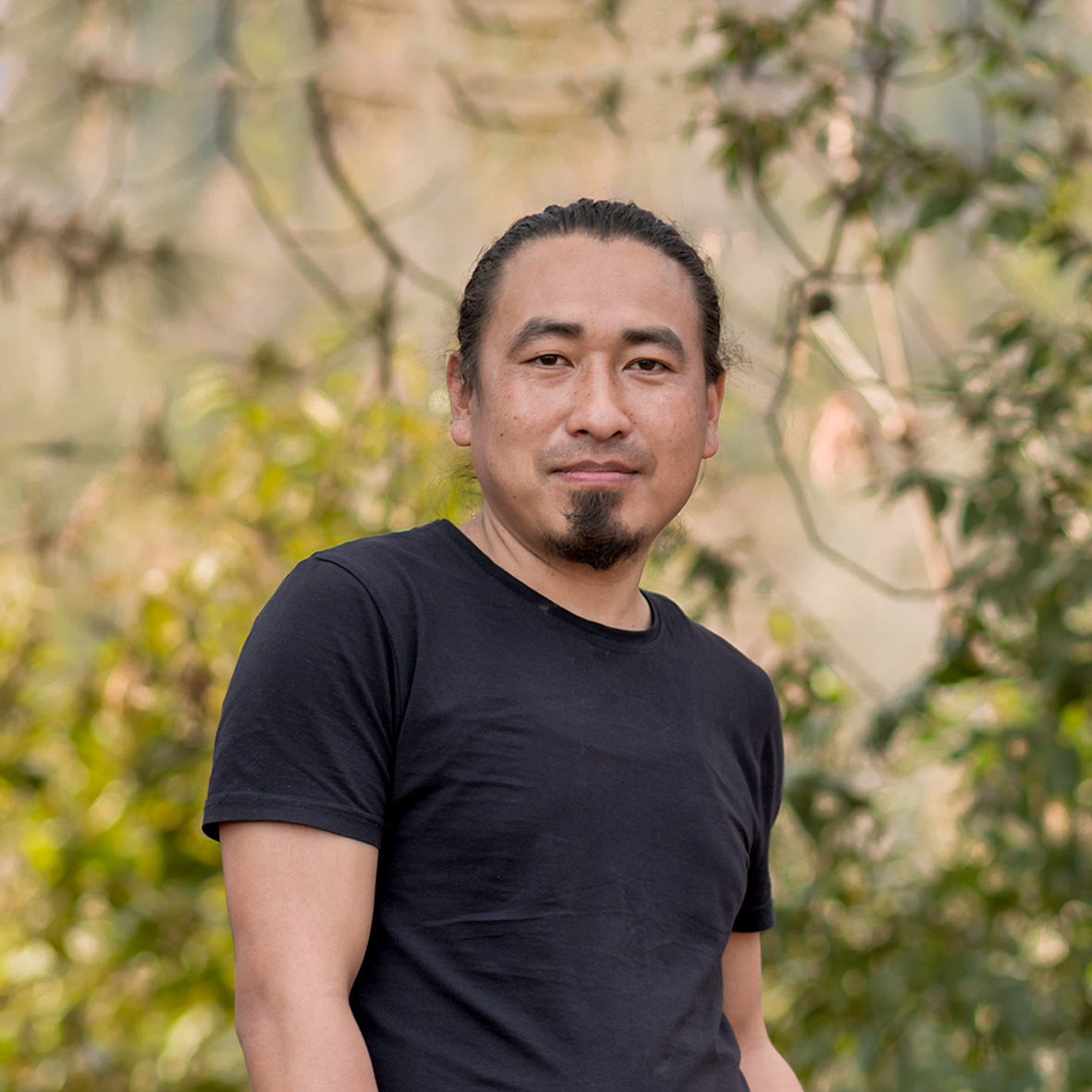
and freelance photographer Tshetsholo Naro at Chizami village in Phek district
for the first time in 100 years, having last been reported in 1915.
According to Naro, “Both species had been considered very
rare or possibly extinct, and their rediscovery generated considerable
excitement and interest among researchers, conservationists, and biodiversity
enthusiasts.”
These rediscoveries were the results of a butterfly survey
conducted at Chizami from 2011 to 2014 by Naro and Sunjay Sondhi of the Titli
Trust. The survey, published in the Journal of Threatened Taxa, found that 34
species recorded from the surroundings of the village were very rare and
protected under the provisions of the Wildlife (Protection) Act, 1972.
The village is home to some 212 different species of
butterflies.
Since then, there have been several efforts and initiatives
aimed at addressing the exploration gaps in Nagaland’s biodiversity, especially
in remote and lesser-explored regions.
As a result of these initiatives, in 2024, Naro recorded
another significant rediscovery in Kohima district’s Khonoma village and
Hebamlo village in Peren district with the sighting of five individual Tawny
Emperors.
This sighting, after a gap of 11 years, was “mind-blowing,”
he said, while emphasising the importance of continued research and
conservation.
“The lack of sightings of the Tawny Emperor since its
rediscovery could be due to a combination of habitat loss, environmental
factors, and the species’ inherently rare and elusive nature. It is crucial to
maintain ongoing conservation initiatives in Nagaland and continue efforts to
understand the environmental requirements of this butterfly to ensure its
survival and potential rediscovery,” he said.
Naro also noted that with vast tracts of Nagaland’s
biodiversity still uncharted, places like Fakim Wildlife Sanctuary, Intangki
Wildlife Sanctuary, Mount Japfü and its surroundings, the Eastern Naga Hills,
and districts like Peren, Phek, Wokha, and Zunheboto remain largely unexplored
and offer immense opportunities for discoveries.
Despite this potential, documenting and conserving
butterflies in Nagaland is no easy task. Remote terrain, limited accessibility,
habitat destruction, and insufficient funding pose significant obstacles. The
lack of systematic surveys and comprehensive scientific data also hampers
efforts to fully understand the region’s biodiversity, he said.
“But it is not impossible,” Naro said, adding that these
challenges can be overcome with involvement of local communities, alongside the
expertise of researchers and conservationists.
“Researchers will provide scientific expertise, while
enthusiasts and conservation organisations can contribute their knowledge and
resources. Local communities will be key to ensuring the long-term
sustainability of conservation efforts, and government support is crucial for
the creation of effective policies and protected areas,” he said.
To ensure the long-term survival of this rich and unique
biodiversity, research and conservation in Nagaland should include
comprehensive surveys and research expansion, along with initiatives for
habitat protection and restoration, community engagement and citizen science,
education, and public awareness.
Tshetsholo Naro
While the story of butterfly conservation in the state is
still being written, Naro believes that Nagaland can become a model for
butterfly conservation in Northeast India. “By working together across these
sectors, we can protect the stunning butterfly diversity of Nagaland and create
a model for conservation that benefits both the natural world and the local
communities that depend on it,” he maintained.
Moreover, traditional practices in Nagaland, such as respect
for sacred groves, sustainable land management, and a cultural reverence for
nature, align well with butterfly conservation. These practices, he maintained,
offer valuable opportunities to enhance conservation efforts, ensuring that
both cultural heritage and biodiversity are preserved for future generations.
At present, Naro is not directly involved in ongoing
projects or initiatives but has been assisting organisations like Green Hub and
Wildlife Conservation Society with a butterfly survey in Peren district.
“Following your passion in butterfly conservation requires
knowledge, action, and perseverance,” he said, adding that “It’s about
connecting with nature and others who share your values.”
Stating that there is a need for more passionate individuals
who are dedicated to preserving biodiversity, he encouraged conservation
enthusiasts to “start with one butterfly, one species, one ecosystem, and grow
from there. Every small step you take can add up to a meaningful journey.”
(The writer is a Masters student at North-Eastern Hill University,
Shillong. She is currently an intern at Eastern Mirror.)



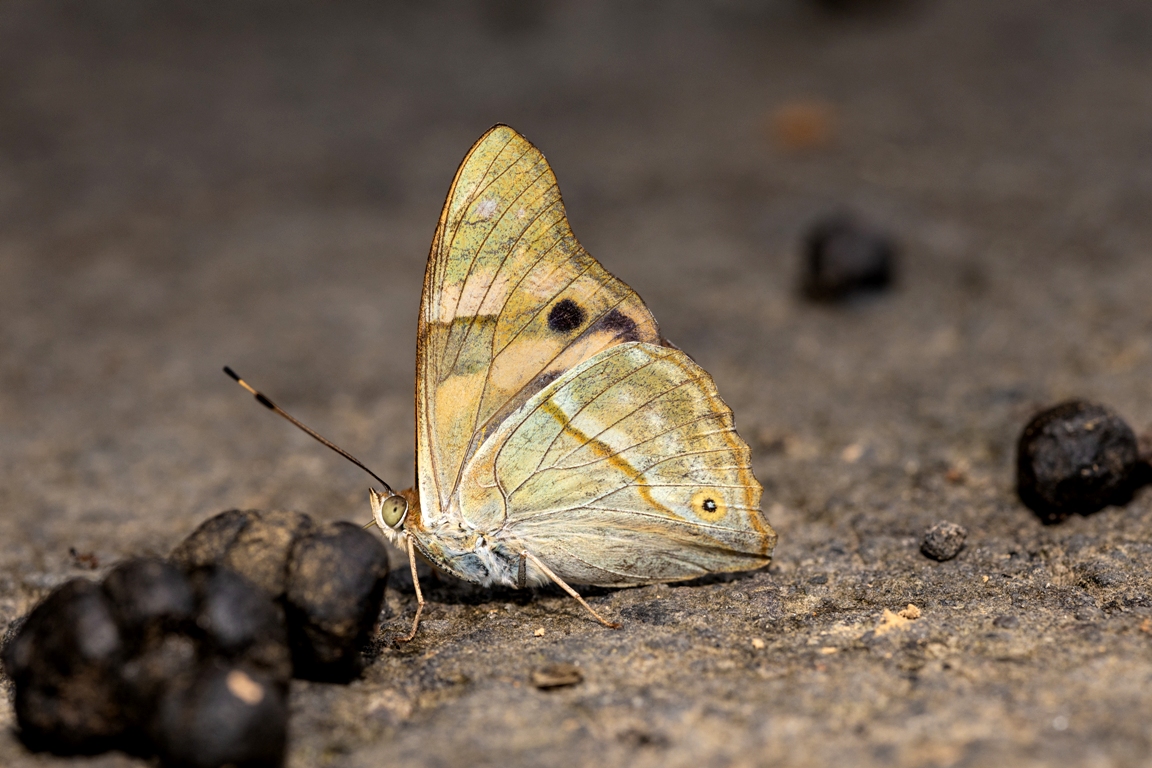 Tawny Emperor