


Indian supply chains face growing pressure from demand volatility, making robotic warehousing an important part of this transition.
Indian supply chains face growing pressure from demand volatility, labour availability issues, transportation disruptions, and increasingly demanding fulfilment expectations. Warehouses sit at the centre of these challenges, making consistent storage, material movement, picking, and dispatch essential to maintaining continuity when operating conditions change. Businesses need warehouse operations that absorb disruptions without allowing every delay to affect downstream deliveries.
Robotic warehousing is becoming an important part of this transition by improving consistency in repetitive material handling and fulfilment activities. According to Mordor Intelligence, the market reflects this growing interest: India's warehouse automation market was valued at USD 0.56 billion in 2025 and is estimated to reach USD 1.5 billion by 2031. This expansion highlights the increasing importance of automation in building adaptable supply chains.
The Supply Chain Vulnerabilities Making Warehouse Resilience a Priority
Demand fluctuations, workforce constraints, transportation uncertainty, and disruptions across upstream and downstream operations can quickly affect warehouse performance. When order volumes rise unexpectedly or staffing levels change, manual processes become harder to maintain at consistent throughput. Delays in receiving, replenishment, picking, and dispatch can accumulate, affecting fulfilment commitments beyond the warehouse itself.
Limited visibility into inventory and operational activity creates another vulnerability because teams cannot respond effectively to problems they cannot identify promptly. Robotic warehousing helps address execution-related challenges by making repetitive warehouse activities more consistent, although resilience also depends on inventory accuracy, operational planning, and coordination with transportation and suppliers.
· Workforce availability: Reduces dependence on manual execution for repetitive movement and handling tasks.
· Operational continuity: Helps maintain workflows when order volumes and staffing requirements fluctuate.
· Inventory visibility: Enables teams to identify discrepancies and respond to changing fulfilment priorities.
Building resilience therefore requires a coordinated approach that addresses both physical operations and the information used to manage them.
How Robotic Warehousing Strengthens Continuity Across Indian Warehouse Operations
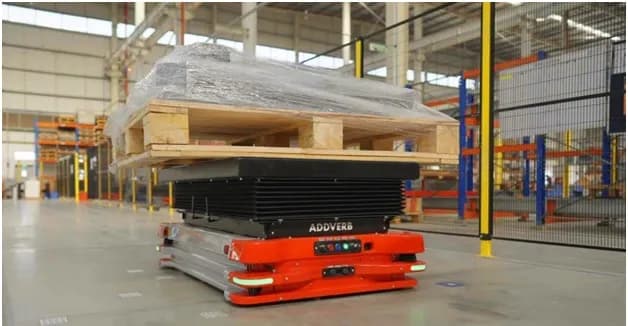
Robots can perform repetitive material movement, storage, picking, and handling activities with consistent execution, reducing reliance on manual transportation between warehouse zones. AMRs move goods along operational routes, while autonomous forklifts handle pallet movement and transport. These technologies help maintain the flow of materials when workforce availability changes or fulfilment requirements become more demanding.
The benefits extend beyond individual tasks because predictable execution helps warehouse teams manage changing order patterns without repeatedly redesigning daily workflows. Warehouses investing in automation experience a 20–30% increase in operational capacity, while 53% handle peak demand better. These findings underline the importance of preparing warehouse processes for fluctuating demand rather than responding only after congestion develops.
Robots also work alongside human employees, allowing people to focus on supervision, exception handling, quality checks, and decisions requiring judgment. This combination helps Indian businesses maintain operational continuity while directing human attention toward activities that need closer oversight.
At a Glance: Challenges and How Robotics Responds
Supply Chain Challenge | Impact on Warehouse | How Robotic Warehousing Helps |
Demand volatility | Inconsistent throughput when order patterns change | Consistent execution and adaptable workflows that respond to seasonal and product-mix shifts |
Labor availability | Workflow gaps in repetitive, physically demanding tasks | Automated movement, storage, and picking reduce reliance on manual execution |
Limited visibility | Delayed response to disruptions | Integration with software improves inventory and activity visibility |
Diverse formats and order profiles | Rigid processes that don’t fit varied requirements | Flexible automation tailored to different operational needs |
Peak demand | Capacity strain and errors | Repetitive handling is automated, so the warehouse can respond to rising demand with fewer errors |
Building Flexibility Into Warehouse Operations Through Robotics
Indian businesses manage different warehouse formats, product categories, order profiles, and distribution requirements, making flexibility essential to supply chain resilience. Warehouse automation solutions help businesses adapt material movement and fulfilment activities to changing operational needs without depending entirely on manual processes. The right technology mix should reflect the goods handled, movement patterns, storage requirements, and variability in demand.
· Seasonal demand: Adjusts operational capacity to changing order volumes and fulfilment priorities.
· Changing product mixes: Accommodates different handling requirements across inventory categories.
· Evolving fulfilment models: Connects warehouse processes with revised picking, replenishment, and dispatch workflows.
70% of businesses experience higher throughput with warehouse automation. Greater throughput becomes more valuable when systems are selected around actual operational constraints and integrated into established workflows, rather than introduced simply to increase the number of automated tasks.
For detailed insights, download Addverb's whitepaper - The True Cost of Not Automating Your Warehouse.
Connecting Warehouse Automation With the Wider Supply Chain
Warehouse resilience depends on more than individual robots because inventory, order fulfilment, material movement, and execution processes must operate as a connected system. Software integration helps align automated equipment with stock availability, order priorities, and changing fulfilment requirements, allowing teams to identify bottlenecks and respond before delays spread across operations. For Indian supply chains, this coordination is particularly relevant when warehouses serve multiple distribution channels or manage changing demand across different locations.
Real-time operational visibility helps teams understand inventory movement, detect exceptions, and assess how disruptions in one warehouse zone affect subsequent activities. Connected systems also help businesses evaluate warehouse performance using operational information rather than isolated equipment metrics. When robotics, inventory systems, and warehouse execution work together, automation becomes part of a broader resilience strategy instead of a collection of disconnected technologies.
Addverb: Helping Build More Resilient Supply Chains in India
Addverb provides robotic warehousing technologies covering material movement, storage, picking, and sortation, addressing distinct operational requirements within warehouse workflows. Its autonomous mobile robots move goods between operational areas, while autonomous forklifts handle pallet transport, helping businesses automate repetitive movement tasks that influence warehouse continuity.
Automated storage and retrieval systems address inventory storage and retrieval requirements, while picking and sortation technologies manage crucial stages of fulfilment. Selecting these technologies according to warehouse layout, inventory characteristics, and movement requirements helps businesses address specific operational constraints rather than applying a uniform automation model.
Conclusion
Supply chain resilience increasingly depends on warehouses maintaining reliable operations despite changes in demand, workforce availability, and distribution conditions. Robotic warehousing strengthens this capability through consistent material movement, flexible fulfillment workflows, and better coordination between equipment and operational systems. Indian businesses that align automation decisions with their actual warehouse requirements can improve their readiness for disruption while adapting to evolving customer expectations.
As India’s supply chains continue to develop, the priority is to connect robotics with planning, inventory visibility, and warehouse execution rather than automate individual tasks in isolation. Addverb's robotic technologies and warehouse software offer businesses options for building more coordinated warehouse operations, helping them pursue greater continuity, adaptability, and long-term supply chain resilience.
(The views and opinions expressed in this guest article are solely those of the author and do not necessarily reflect the views of Eastern Mirror)