


The 82nd anniversary of the Battle of Kohima was marked at Kohima War Cemetery, honouring Naga contributions to the World War II Burma campaign.
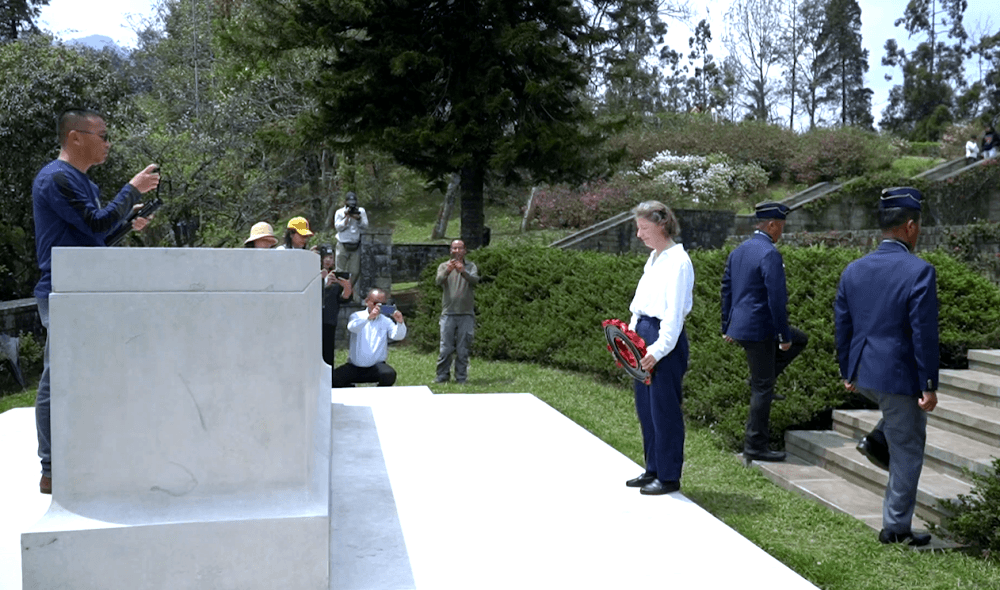
KOHIMA — The 82nd anniversary of the Battle of Kohima was commemorated on Saturday at the Kohima War Cemetery, with speakers highlighting the decisive role played by local Nagas in shaping the outcome of one of the most significant battles of World War II.
The commemoration, marked by a solemn wreath-laying ceremony, brought together participants from India and abroad, including those with historical and family connections to the battle.
Speaking on the occasion, Charlotte Carty, a World War II enthusiast and trustee of the Kohima Educational Trust, said the contribution of the Naga people remains under-recognised despite its importance to the Allied victory.
"In the UK, very few people know about the Battle of Kohima. And yet it was such an important battle within the Burma campaign that more people should know about it. They should also know more about the support that the local Nagas gave to the Allied forces here at Kohima," she said.
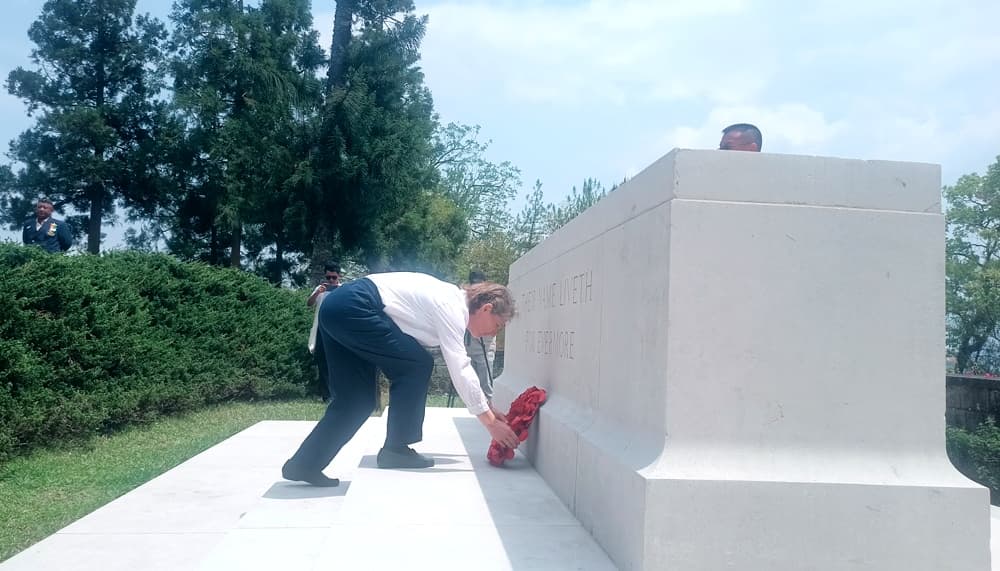
"Because, quite simply, without the Nagas' help, the whole course of the battle would have been entirely different," she added, describing the community as "the most remarkable… so supportive" both during the war and in the present day.
Carty also paid tribute to Japanese soldiers as "a respected enemy for their fighting skills", noting the rapid advance of Japanese forces from the Chindwin River to Kohima through difficult terrain—an achievement that had not been fully anticipated at the time.
Recalling the events of April 1944, she said April 4 marks the official start of the Battle of Kohima, when around 1,500 Allied troops—many separated from their units—faced nearly 15,000 soldiers of the Japanese 31st Division led by General Sato. Despite being heavily outnumbered, Allied forces held their ground on Garrison Hill for over two weeks before reinforcements arrived.
WATCH MORE:
She highlighted the Deputy Commissioner Pawsey's tennis court, now part of the cemetery, as one of the fiercest sites of combat where opposing forces were positioned just metres apart, separated by a narrow stretch of land.
Carty further recounted that Japanese troops occupied positions near the tennis court around April 10, and that the Allies retook the ground on May 13 with the support of a tank manually winched up Garrison Hill by the Royal Engineers over a 24-hour period.
Also speaking at the event, Bertie Alexander, Sampan Tour Captain, paid tribute to those who fought in the battle, recalling the arduous journey undertaken by soldiers from Jessami to Kohima.
"We are here this morning to remember not just those men, but… the many men from various, diverse parts of the world who fought here in Kohima, in the Naga Hills, in Burma, as part of the Burma campaign," he said.
Participants also included a team from the United Kingdom that undertook a 39-hour trail walk from Jessami to Kohima, retracing the historic route taken by troops ahead of the battle.
The programme concluded with attendees paying respects at the memorials, reflecting on the legacy of a battle widely regarded as a turning point in the Burma campaign.