


Learn the common causes of back pain in pregnancy, different types of pregnancy-related back pain, safe relief methods, and when to seek medical advice for lasting comfort.
Share


Back Pain During Pregnancy: Causes, Types & Safe Relief Methods
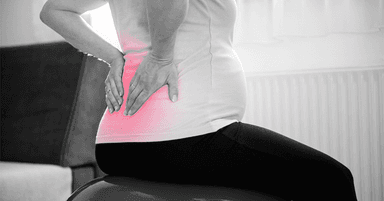
Pregnancy is a life-changing experience, but it also brings its share of physical challenges. As the baby grows, the body adapts in remarkable ways to support this new life. Along with these changes, back pain in pregnancy is quite common, as many expectant mothers experience aches and discomfort that can affect their daily routine. They may notice a dull ache after a long day, discomfort while sleeping, or stiffness when getting up from a chair.
While this can be frustrating, it is often a normal part of pregnancy. Understanding what causes the pain and how to manage it safely can help pregnant mothers stay comfortable and enjoy this special journey.
Having back pain in pregnancy is extremely common, especially as the pregnancy progresses. As the baby grows, the extra weight places extra pressure on the back and spine. At the same time, the centre of gravity shifts forward, causing subtle changes in posture that can strain the muscles supporting your back.
Pregnancy hormones also play a role as they loosen ligaments and joints in preparation for childbirth. While this is important for delivery, it can make the lower back and pelvic area feel less stable, which can lead to discomfort. Moreover, activities such as standing for long periods, sitting in the same position for too long, or carrying heavy items can worsen the pain.
The discomfort can feel different from one woman to another. Recognising the type of pain can help in understanding what the body is going through:
It is the most common type of back pain in pregnancy and is felt around the lower spine and waist area. The pain may come and go or become more noticeable after a busy day.
Some women feel pain around the hips, buttocks, or pelvic joints. This type of discomfort can make everyday movements such as climbing stairs or getting dressed more challenging.
As the abdomen grows, posture can change, leading to tension between the shoulder blades and discomfort in the upper back.
Although back pain can affect any pregnant woman, certain factors may increase the likelihood of experiencing it. Women who had back problems before pregnancy may notice symptoms returning during pregnancy. Carrying twins or multiple babies, being overweight, or having a physically demanding lifestyle can also place extra strain on the back.
Even if you have never experienced back pain before, the physical and hormonal changes of pregnancy can still lead to discomfort.
While it may not always be possible to get rid of the pain completely, there are some simple and safe ways to feel more comfortable:
Small changes in posture can make a big difference. Standing tall, keeping your shoulders relaxed, and avoiding slouching can help reduce pressure on your back.
Gentle physical activity, such as walking, prenatal stretching, and pregnancy-friendly exercises, can help strengthen muscles and improve flexibility. Always follow your healthcare provider's advice before starting any exercise routine.
Flat shoes can help improve balance and reduce stress on your back. On the other hand, high heels may increase strain and are best avoided during pregnancy.
Sleeping on your side with a pillow between your knees can support your back and hips. Many women also find pregnancy pillows useful as their baby bump grows.
If you need to lift something, bend your knees and keep your back straight. Avoid lifting heavy objects whenever possible.
A warm compress and gentle massage may help relax tight muscles. Always check with your gynaecologist before trying any new pain-relief method during pregnancy.
In most cases, back pain in pregnancy is not a major concern. However, there are times when medical intervention is important. If the pain becomes severe, appears suddenly, or is accompanied by symptoms such as fever, bleeding, numbness, or contractions, seek medical care. It is important to consult a gynaecologist promptly to rule out any underlying concerns.
If the pain is affecting your quality of life or becoming difficult to manage, it may be a good idea to visit a maternity hospital for professional advice and care. Many expectant mothers choose trusted healthcare centres such as Rainbow Hospitals for maternity support throughout pregnancy.
Pregnancy is a time of constant change, and some discomfort is a part of the process. The good news is that with the right habits and support, most women can manage back pain in pregnancy effectively and continue their daily activities with greater ease. Taking care of your own comfort and wellbeing is an important part of caring for your growing child. A little extra attention to your body today can help make your pregnancy journey healthier and more enjoyable.