NEW DELHI — The
financial activities among the affluent class in the country is experiencing
unprecedented levels, with the median individual managing over 434 peer-to-peer
banking transactions annually and experiencing accelerated flows of earning,
investing and spending, a report showed on Tuesday.
The dramatic increase in financial complexity has driven
widespread adoption of digital personal finance management products over the
past 12 months, according to the report by CRED Money, used by over 10 lakh
Indians.
According to the findings, 42 per cent receive dividend
payments (10 times yearly), indicating a mature approach to passive income
generation.
The report found 116 incoming peer-to-peer transactions
annually (INR 7,82,838) balanced against 318 outgoing transfers (INR 6,93,349
yearly) – marking a radical shift from traditional salary-based incoming
payment patterns.
“The median user is taking a more hands-on approach to
building wealth, with 71 per cent actively investing, a median of 28 times a
year,” the report mentioned.
This high velocity of transactions from bank accounts is
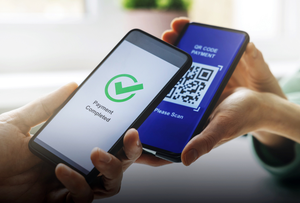
accelerated by the adoption of digital payment systems like UPI.
Affluent Indians are also among the strongest adopters of
multiple payment methods, as indicated by the high volume and value of UPI
transactions made by credit card users.
Digital public infrastructure is not only accelerating the
volume of transactions through UPI, but also enabling the affluent to master it
through the account aggregator framework, said the report.
The median user has 33 shopping debits, 16 health and
wellness debits, 38 food and drink debits, and 25 transportation debits a year
from their bank accounts, it added.
For 2024, the UPI transaction volume surged almost 46 per cent
to 172 billion transactions, compared to 118 billion in 2023.
In value terms, UPI transactions grew by 35 per cent to
nearly INR 247 lakh crore last year, compared with INR 183 lakh crore in 2023,
as per the NPCI data.