


Diethono Nakhro highlights the need to remove societal barriers during a 10K Run for Persons with Disabilities in Chümoukedima.
Share


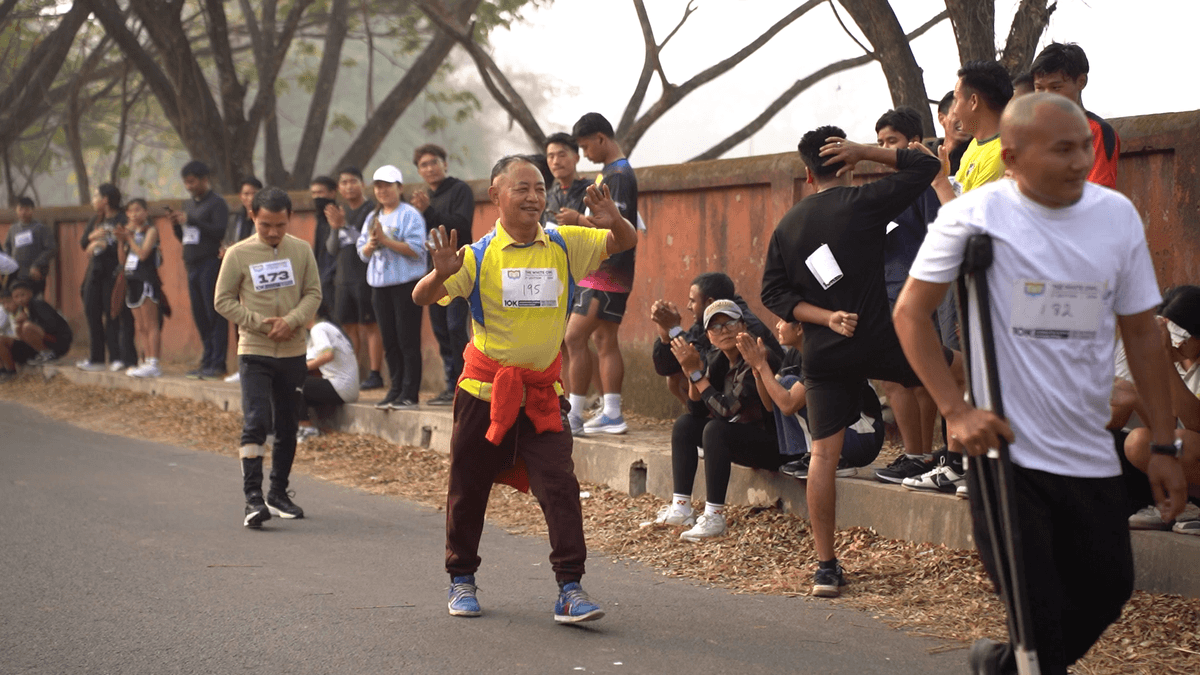
DIMAPUR — The White Owl Literature Festival & Book Fair 2026 hosted a 10K Run for Persons with Disabilities at Fun City, Sovima, in Chümoukedima on Saturday.
The winners of the 10K Marathon (Persons with Disabilities) were Shitomong, who secured first place, followed by Chingtang in second place and Meka in third.
In the 10K Marathon (Men’s category), Nahtu Wangnao clinched first place, while Taliyanger Ozukum finished second and John took third position. In the women’s category, Tsuchoi emerged as the winner, followed by Songmo P in second place and Chongsop in third.
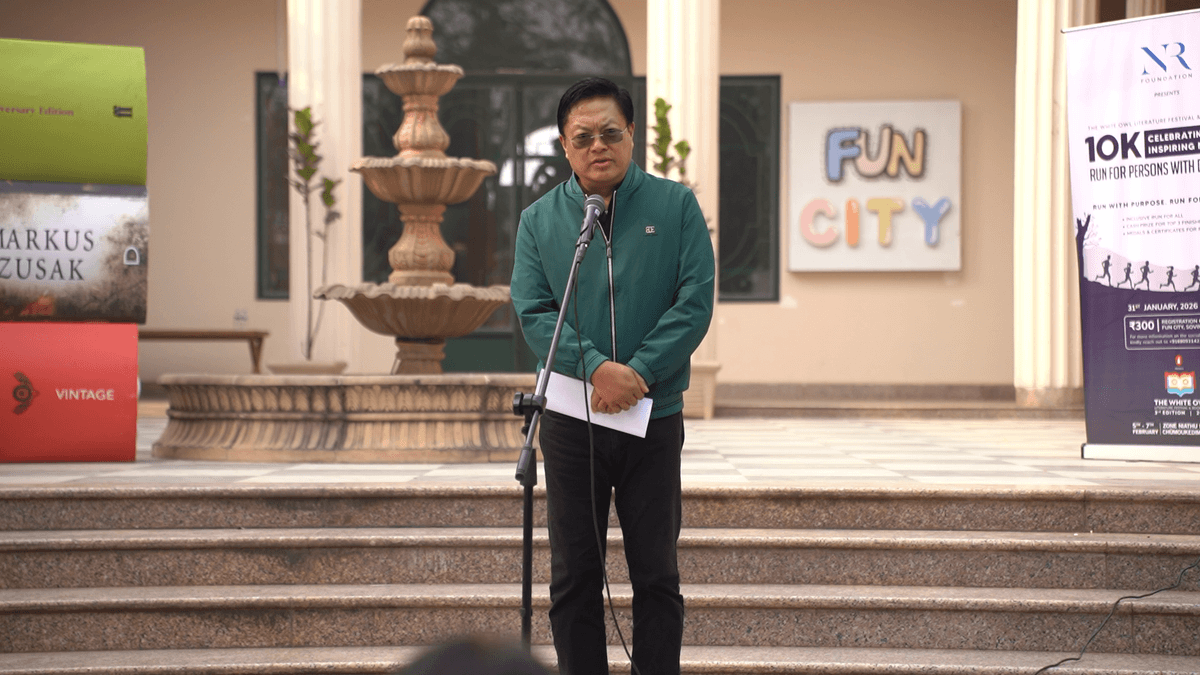
Addressing the gathering, former State Disability Commissioner Diethono Nakhro stated that disability is not the issue, but the barriers in daily lives are the real problem.
Also read: Harrison-Skupski win first major as team with Aus Open men's doubles crown
She noted that inaccessible buildings, public spaces, and people's attitudes are the most damaging. It is the mindsets and attitudes towards disability that need to change, she said, identifying these as the barriers that people with disabilities face, not the disability or the impairment that someone has.
Nakhro commended the 10K Run for Persons with Disabilities, presented by the NR Foundation, saying it is more than just a sporting event but a statement of values. “Inclusion does not belong only in policy documents or speeches, but it is in action that we take; it is in public spaces, on our streets, in our everyday life and in our shared civic life,” she said, thanking the festival director, Viketuno Rio, and the White Owl team for imagining the run.

Nakhro stated that the run was about persons with disabilities, but more importantly, about the kind of society people want to build. She believed that the run was much greater than speed or endurance, as the participants ran for dignity, inclusion, and solidarity.
Nakhro, who was left with a disability after a 2006 accident, shared from her personal lived experience: “The hardest part of living with a disability, the hardest part of being a disabled person, is not the body; it is not the impairment that I have, but it is the way society responds to disability.”
Nakhro pointed out that people's assumptions about disability can be really damaging. “They think life is over, and that attitude closes doors. Assumptions replace conversations; capabilities are questioned even before disabled people are able or given the chance to show what they can do," she said.
She emphasised that people with disabilities face societal barriers and not just physical ones. Disability, she underlined, is not a tragedy and doesn't need pity, and she advocated that it is time to shift the narrative and see disability as a part of life with its own challenges but not something to be pitied.
Nakhro advocated that what persons with disability need is respect and equal opportunities, as she asserted that equal opportunity is important – the same kind of opportunities that everyone is getting. “If we get that opportunity, then we can live up to our potential to do what we can do, the dreams that we have, and not pity,” she reiterated.
She stressed the importance of allyship, thanking those without disabilities who ran the marathon. ‘Allyship is not about charity; it is about standing beside us, asking tough questions, and taking action,’ she said.
She encouraged participants to remember they are there because they belong, they are worthy and they are equal citizens. "Take this spirit with you and keep pushing for inclusion," she urged.
Limawabang Jamir, Secretary, Department of Social Welfare, said the run was about inclusion, not just speed or distance.
Inclusion, he asserted, means no one is left behind. He acknowledged everyone’s effort and presence towards building a more inclusive world. Every person deserves respect and opportunities simply because they are human, he said, adding that discrimination only holds society back.
“When we choose inclusion, we choose strength. Our differences are what make us stronger, not weaker. Let us build a society where everyone belongs and no one is left behind. This run shows that when we come together, communities thrive”, Jamir observed.
The Vikengunu Fatima Kera, President of the Nagaland State Disability Forum, noted in her address that many participants with disabilities were making history by running their first marathon in the state.
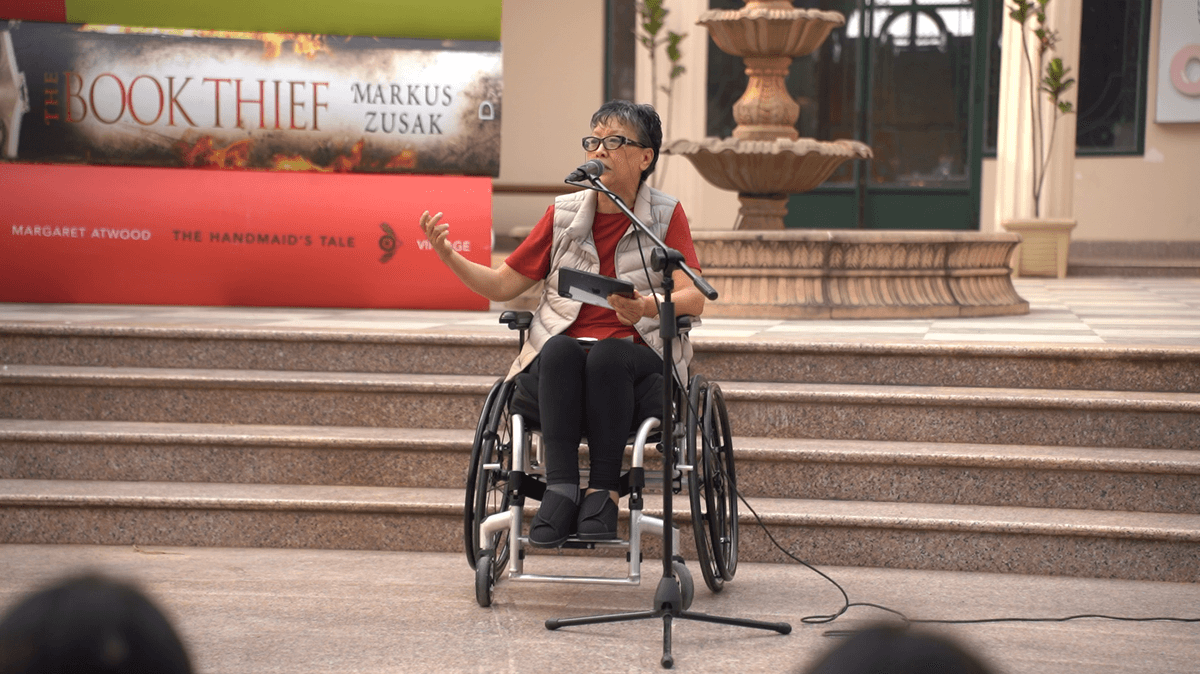
Inclusivity, she underlined, means accessibility, like washrooms and event amenities that work for them too. She lamented that though disabled people bring laurels to the state, they are hardly recognised.
Kera said that given the chance, people with disabilities can show their capabilities and that the forum has been pushing for inclusivity, even in the Church.